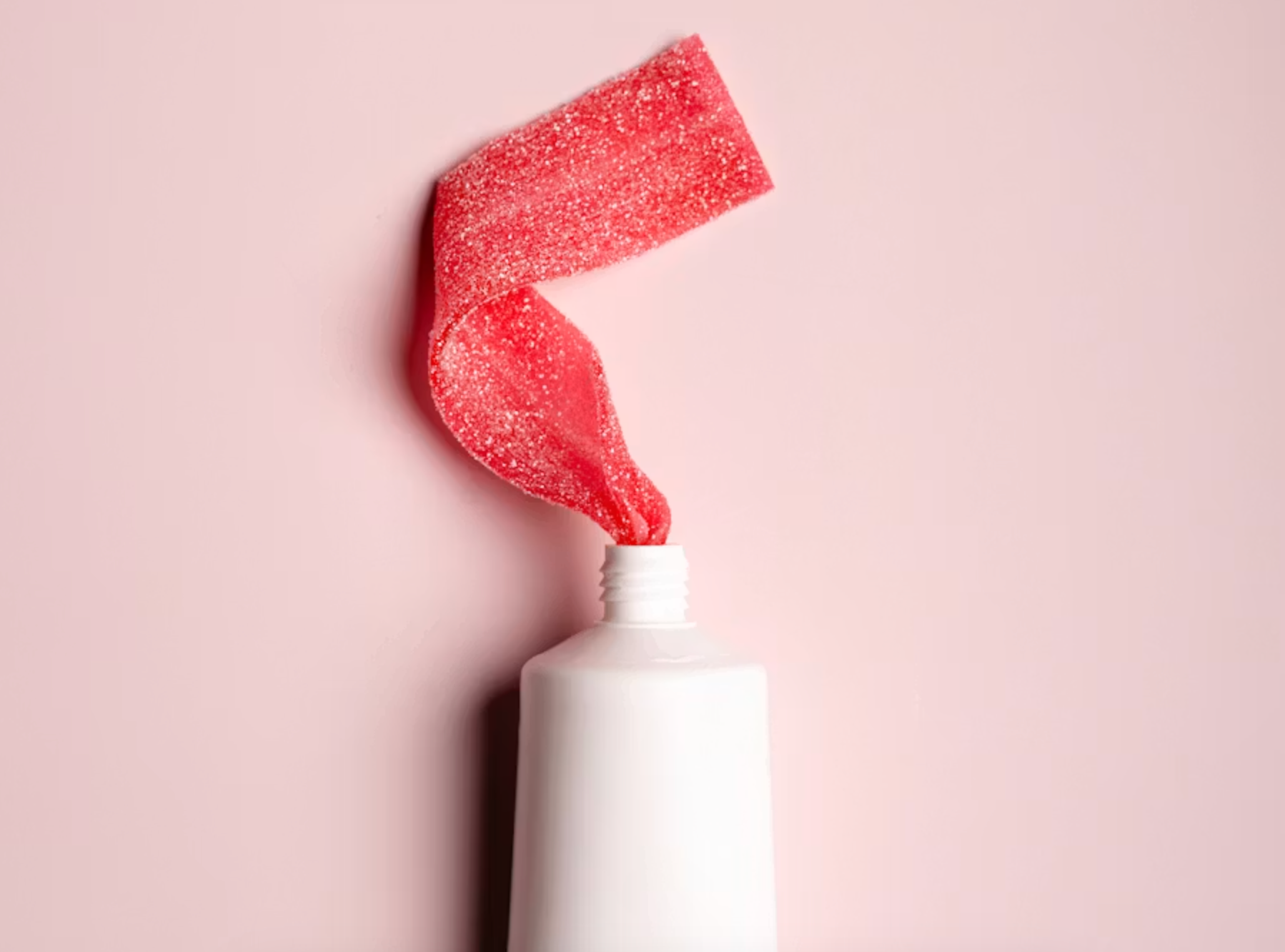
For kids born after the 90s, oral hygiene became indistinguishable from visiting a concession stand. Bubble gum. Blue raspberry. Cotton candy. Toothpaste flavors started sounding less like hygiene products and more like guilty pleasures.
Millions of parents accepted that tradeoff since brushing a kid’s teeth is rarely a glamorous negotiation. If a cartoon dinosaur holding a tube of neon frosting helped get the job done twice a day, fine.
But the conversation around kids’ products has changed over the last decade. Artificial dyes, ultra-processed snacks, synthetic fragrances, and aggressively sweetened wellness products are under scrutiny. Now, toothpaste has entered that discussion.
The Psychology of Candy-Flavored Toothpaste
The flavor issue sounds superficial until you think about what brushing your teeth is supposed to teach.
Oral care routines are about habit formation. You’re teaching children that brushing signals cleanliness, maintenance, and self-care. Hyper-sweet toothpaste can muddy that signal. The sensory experience starts resembling dessert rather than hygiene.
This doesn’t mean kids need toothpaste that tastes medicinal. Nobody is advocating for a return to the brutal mint flavors that feel like mouthwash from the 80s. But there is a noticeable difference between a toothpaste that tastes pleasant and one engineered to mimic bubble gum.
Kids are especially sensitive to flavor association because they’re still building relationships with routines, cravings, and reward systems. Pediatricians and behavioral researchers have spent years studying how repeated exposure to intensely sweet flavors can shape preference patterns over time.
Toothpaste obviously exists outside traditional nutrition conversations, but it’s still in in a child’s sensory environment. If every product aimed at kids tastes like candy, eventually the line between hygiene, snacks, and treats starts to blur.
When Brushing Starts Feeling Like a Treat
This is partly why some parents describe brushing as becoming theatrical: kids want to eat the toothpaste and ask for more than necessary. Their routine becomes less about oral care and more about accessing something sweet.
The broader kids’ consumer market has spent decades optimizing products around excitement: bright colors, loud packaging, artificial flavors that bear no resemblance to actual fruit. Toothpaste followed the same trajectory.
Parents are becoming exhausted by products engineered to overstimulate children at every possible opportunity. Oral care occupies a different psychological category. Most people want it to feel calm, safe, and routine-oriented—something closer to skincare than entertainment.
Artificial Flavors Usually Bring Other Ingredients With Them
Artificial flavors also tend to come packaged with artificial dyes because the experience is engineered for maximum sensory recognition. If something tastes like “blue raspberry,” it usually also needs to look blue for the illusion to work.
That pairing has become harder for many parents to ignore.
Artificial dyes remain controversial, though research and regulation vary globally. Some studies have explored potential links between synthetic dyes and behavioral concerns in children, while consumer skepticism toward heavily dyed products has become far more mainstream. Europe regulates some dyes more aggressively than the United States, which has only fueled broader ingredient conversations online.
Even parents outside wellness culture often feel fatigued by how overstimulating children’s products have become. Snacks glow neon colors. Vitamins resemble gummy bears. Toothpaste tastes like carnival concessions. Eventually, people start wondering whether every product aimed at kids needs to feel this exaggerated.
“Kid-Friendly” Doesn’t Need to Mean Candy-Flavored
Parents are becoming more ingredient-conscious about everything their kids use daily, including toothpaste. Artificial flavors, neon dyes, and overly sweet formulas that once felt normal now feel unnecessarily intense to a lot of families.
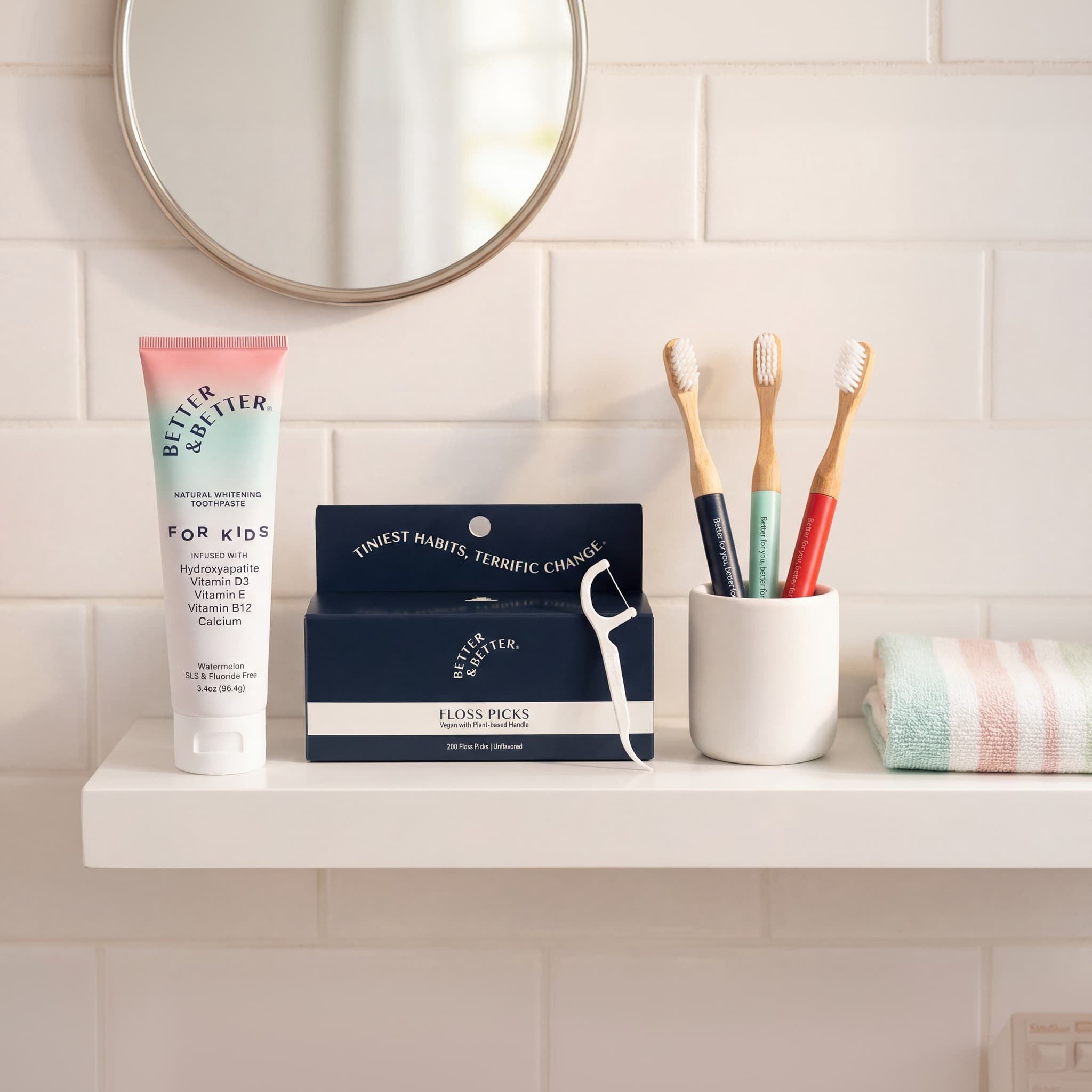
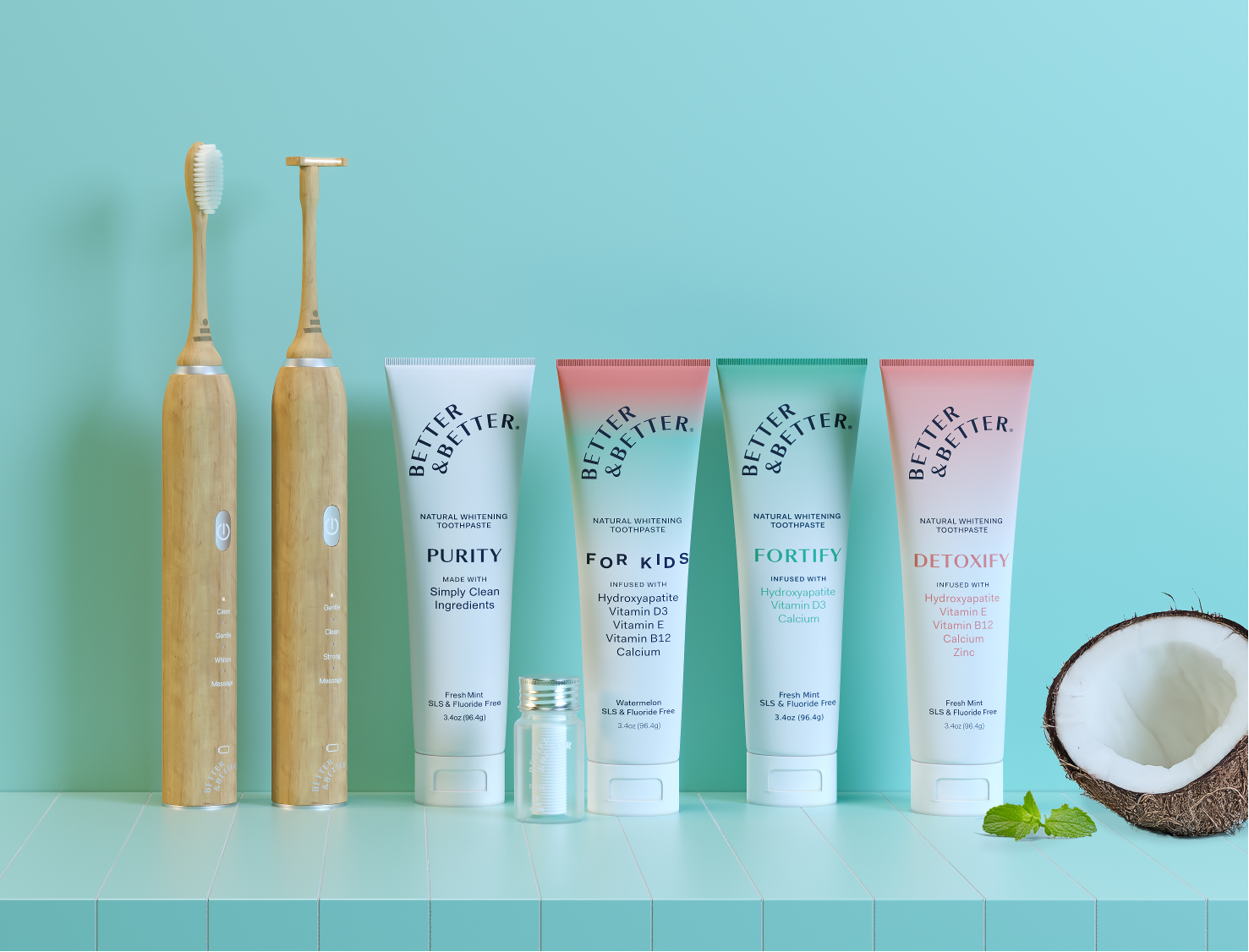
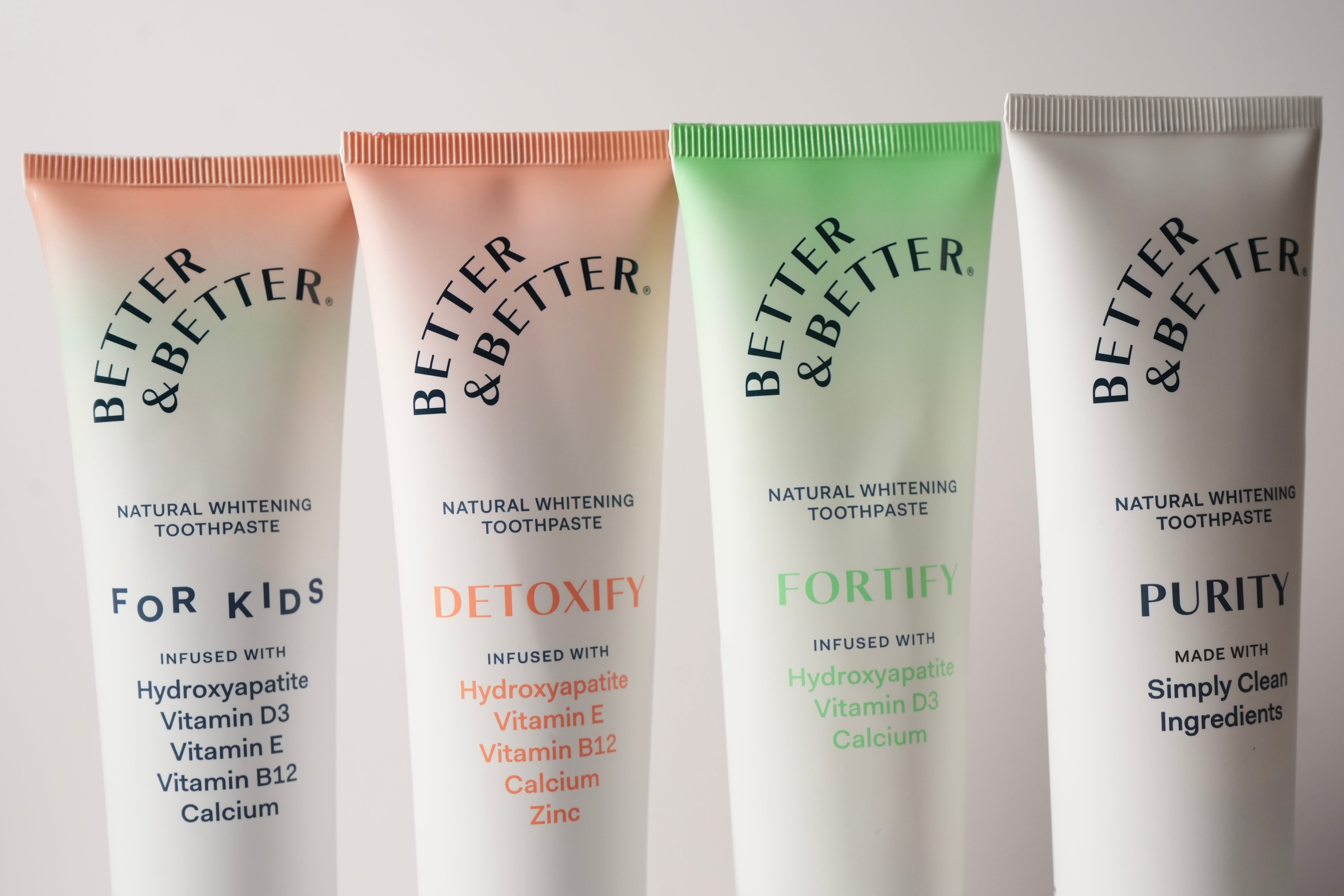
Our Kids Multivitamin Toothpaste at Better & Better was designed with a gentler approach in mind. Instead of hyper-sweet bubble gum flavors, it uses naturally flavored watermelon with a touch of organic xylitol for subtle sweetness that feels kid-friendly without tasting like candy.
 The formula also avoids artificial flavors, colors, preservatives, and harsh abrasives while including hydroxyapatite, Vitamin D3, Vitamin E, Vitamin B12, and calcium to support enamel health.
The goal is simple: make brushing feel clean, familiar, and easy to stick with—not like dessert disguised as oral care.
Kids’ Toothpaste Is Finally Growing Up
Most parents aren’t trying to turn their children into tiny wellness influencers with perfectly optimized supplement stacks. They’re trying to establish habits their kids won’t dread while avoiding products that feel artificial.
That’s a reasonable standard for something kids use twice a day, every day, for years.
A gentler flavor, a cleaner ingredient list, and a formula that supports enamel health without tasting like candy can make the entire routine feel calmer for everyone involved. That’s part of the thinking behind our Kids Multivitamin Toothpaste, which swaps hyper-sweet bubble gum flavors and artificial dyes for naturally flavored watermelon, organic xylitol, hydroxyapatite, and a simpler overall approach to kids’ oral care.