Spend any time in wellness circles and you’ll hear how important it is to maintain a healthy gut microbiome. The probiotic industry crossed $70 billion globally last year. There are apps for tracking your microbiome and startups charging hundreds of dollars to sequence it.
And yet, for all the attention paid to what's happening in the gut, almost nobody is talking about the ecosystem that sits at the very top of the digestive tract.
The oral microbiome has been hiding in plain sight, and researchers, integrative clinicians, and a growing cohort of people on the leading edge of health science are increasingly convinced it may be just as important as the one we've spent the last decade obsessing over.
The Ecosystem In Your Mouth
Your mouth harbors over 700 distinct species of bacteria, making it the second most diverse microbial environment in the body after the gut. These microorganisms live in communities across the teeth, gums, tongue, cheeks, and palate—forming biofilms and maintaining a dynamic equilibrium that researchers are only beginning to map in detail.
The key word is equilibrium. A healthy oral microbiome isn't a sterile environment; it's a balanced one. Beneficial bacterial strains keep harmful ones in check. Symbiotic relationships between species regulate pH, support tissue health, and perform functions that have downstream effects on the rest of the body.
When that balance tips, the consequences aren't limited to cavities and bad breath.
Why the Oral Microbiome Is Having a Moment
Two things are converging to push the oral microbiome into serious scientific focus.
The first is technological. Advances in metagenomic sequencing have made it faster and cheaper than ever to identify which bacterial species are present and what they're doing metabolically. Researchers who spent years studying the gut microbiome are now turning those same tools on the mouth, and what they're finding is prompting a reassessment of oral health as a category.
The second is an extension of the gut health conversation itself. If a community of microorganisms in the intestines can influence mood, metabolism, immune response, and disease risk, the obvious question becomes: What is the microbial community at the entrance to that same system doing? The mouth isn’t separate from the body. It is, in the most literal sense, where the body begins. For too long, oral health has been treated as a cosmetic concern rather than a systemic one.
Functional medicine practitioners and integrative dentists have been making this argument for years. The difference now is that mainstream research is catching up, and the findings are difficult to ignore.
What the Oral Microbiome Is Connected To
The mouth is a more consequential piece of the systemic health puzzle than the cultural conversation around oral care has ever suggested. The case for taking it seriously extends well beyond the threat of cavities.
Your Heart
Porphyromonas gingivalis (a bacteria associated with chronic gum disease) has been identified in arterial plaque, and the leading hypothesis is that chronic oral inflammation creates a pathway for bacteria and inflammatory markers to enter the bloodstream, contributing to the arterial damage that precedes heart attack and stroke.
The American Heart Association has acknowledged the association, even as researchers continue to work out the precise causal mechanisms.
Your Brain
P. gingivalis has been detected in the brain tissue of Alzheimer's patients, and the toxic enzymes it produces are associated with neuroinflammation and the disruption of tau proteins.
A 2019 study published in Science Advances identified gingipains in 96% of the brain samples examined from Alzheimer's patients. Causation has not been established, but the finding has attracted serious research funding and represents one of the more unexpected places the oral microbiome story has led.
Your Blood Sugar
Periodontal disease can worsen blood sugar control, and elevated blood sugar creates an oral environment that accelerates gum disease. The two conditions actively fuel each other, placing the oral microbiome at the center of a feedback loop that affects tens of millions of Americans managing or at risk for type 2 diabetes.
Your Lungs
Oral bacteria aspirated into the lungs have been linked to pneumonia and worse clinical outcomes in patients with existing respiratory conditions. This connection has particular relevance for older adults and anyone with compromised respiratory function, for whom the bacterial composition of the mouth is a variable with real clinical stakes.
How to Care for Your Oral Microbiome
Most people's oral hygiene routines are optimized for the wrong goal. A few practical adjustments make a significant difference.
Rethink Your Toothpaste
Toothpaste is the product with the most consistent contact with your oral environment, which makes ingredient choices matter more than most people realize. Harsh surfactants, artificial preservatives, and aggressive abrasives stress the oral ecosystem in ways that shift bacterial composition over time.

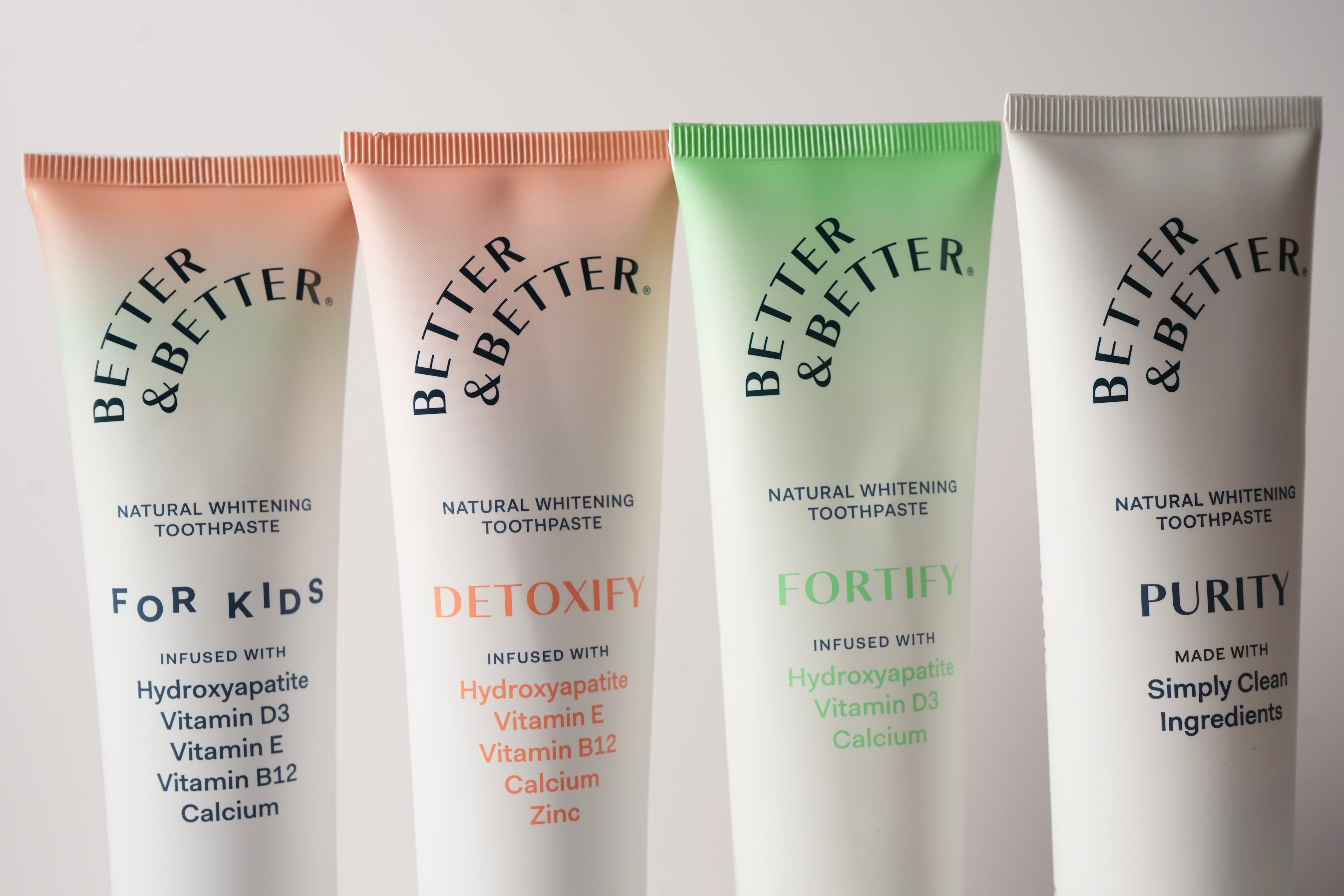
Better & Better's Detoxify toothpaste takes the opposite approach: vitamin B12, vitamin E, and zinc work together to support a balanced microbiome, with zinc specifically known for inhibiting harmful bacterial growth without broad-spectrum antibacterial effects. Coconut foam polishes gently, and organic peppermint, spearmint, and menthol deliver a genuinely clean feeling without artificial flavors, colors, or preservatives.
Use Antibacterial Mouthwash Sparingly
A 2020 study published in Blood Pressure found that frequent use of over-the-counter mouthwash was associated with increased risk of hypertension, even after controlling for major risk factors. If you reach for mouthwash daily out of habit rather than clinical need, it's worth reconsidering the frequency.
Eat for Your Bacteria
Polyphenol-rich foods (green tea, berries, olive oil, dark chocolate) have demonstrated selective inhibition of harmful oral bacteria in multiple studies while supporting beneficial strains. What you eat shapes your oral microbiome in addition to your gut microbiome.
Breathe Through Your Nose
Mouth breathing dries the oral environment and shifts bacterial composition toward more harmful strains. For chronic mouth breathers, addressing the underlying cause—whether allergies, nasal obstruction, or habit—can have measurable effects on oral microbial health.
The Mouth Is Where It All Begins
The gut microbiome took a decade to travel from academic research to grocery store shelves. The oral microbiome is earlier on that curve, but the research is accelerating fast enough that forward-thinking clinicians are already adjusting how they talk to patients about oral health. The mouth has always been described as the gateway to the body. It turns out that description was more accurate than most people realized.