GLP-1 medications like Ozempic, Wegovy, and Mounjaro have changed the conversation around weight loss. At the same time, they’ve introduced a few unexpected side effects, including some that could be happening inside your mouth.
While nausea and digestive issues tend to get most of the attention, researchers are beginning to examine how GLP-1 medications may affect saliva production, oral bacteria, and tooth enamel.
If you're taking one of these medications, understanding the potential oral health effects can help you stay ahead of problems before they require a dentist's intervention.
The Connection Between GLP-1 Medications and Oral Health
GLP-1 medications work partly by slowing gastric emptying, helping people feel fuller for longer. They also influence appetite and blood sugar regulation. These changes can affect more than digestion.
A 2025 paper published in Biology explored the relationship between GLP-1 receptor agonists and oral health, including concerns about dry mouth and changes to the oral microbiome.
Researchers are still working to understand how directly these medications influence the mouth. However, several potential side effects have clear implications for oral health.
1. Dry Mouth Can Increase Your Risk of Cavities
Saliva washes away food particles, helps neutralize acids, and supplies minerals that protect tooth enamel. When saliva production decreases, those natural defenses become less effective.
Dry mouth, also called xerostomia, has been reported by some people taking GLP-1 medications. Dehydration, reduced fluid intake, and gastrointestinal side effects may also contribute.
Persistent dry mouth can increase the risk of:
- Tooth decay: Without enough saliva to neutralize acids, enamel becomes more vulnerable.
- Bad breath: Reduced saliva allows odor-producing bacteria and debris to accumulate.
- Plaque buildup: Saliva normally helps clear food particles and bacteria from tooth surfaces.
- Gum inflammation: A dry oral environment can contribute to irritation and plaque-related gum problems.
How to Protect Your Mouth
Drink water regularly throughout the day, particularly if your medication makes it harder to eat or drink normally.
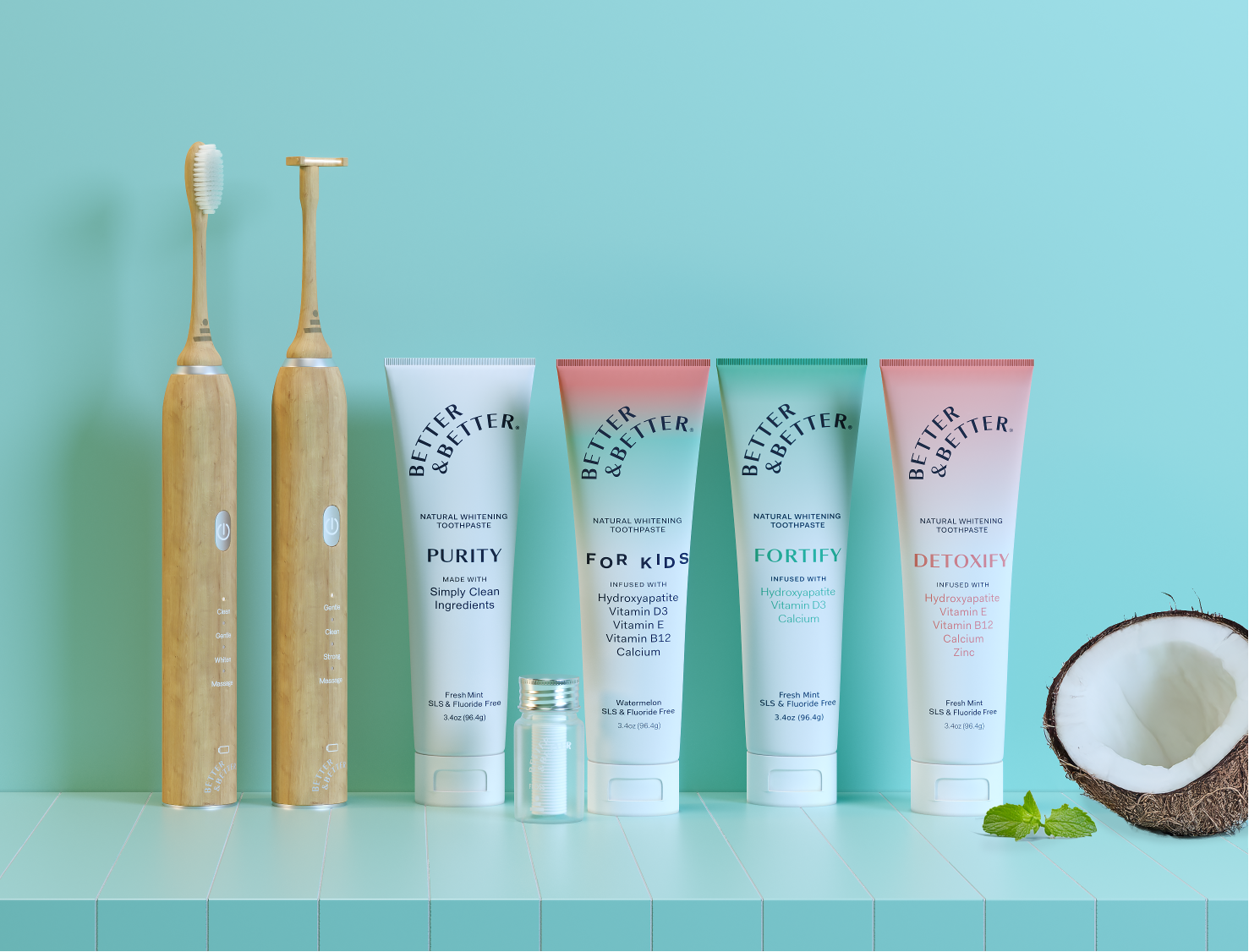
Xylitol is especially useful because cavity-associated bacteria cannot metabolize it the same way they metabolize ordinary sugar. You'll also find xylitol in Better & Better toothpastes, although chewing xylitol gum generally provides more sustained saliva stimulation than brushing alone.
2. Your Oral Microbiome May Change
Your mouth contains hundreds of species of bacteria, many of which play useful roles in maintaining oral health.
Problems can develop when the balance shifts toward bacteria associated with plaque, tooth decay, and gum disease.
Researchers are investigating whether GLP-1 medications influence this microbial balance directly or through changes in saliva, diet, and digestion.
The evidence is still emerging, so it's too early to say that taking a GLP-1 medication necessarily disrupts your oral microbiome.
How to Support a Healthier Oral Environment
Consistent brushing, daily flossing, and regular dental cleanings remain the most reliable ways to manage plaque and protect your gums.
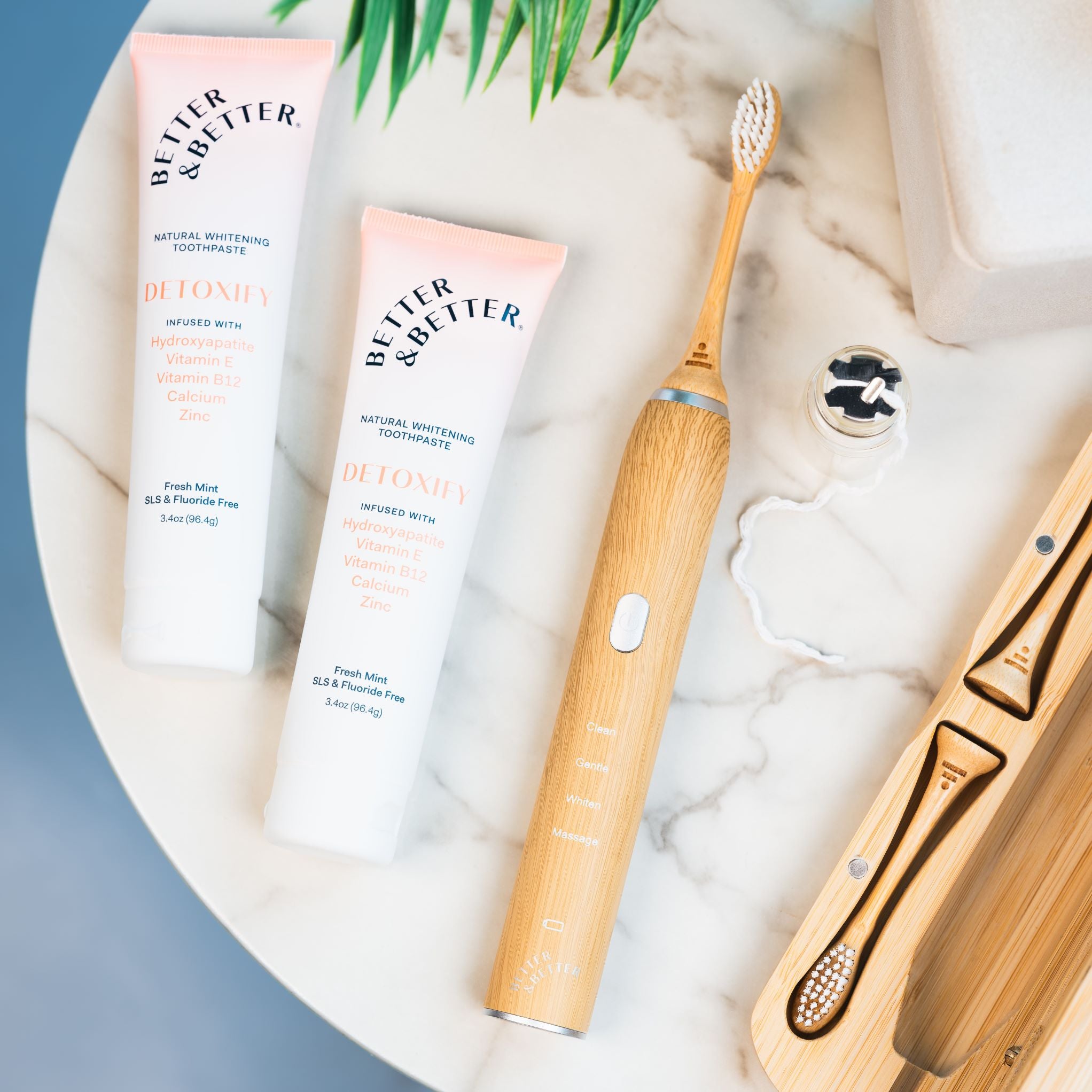
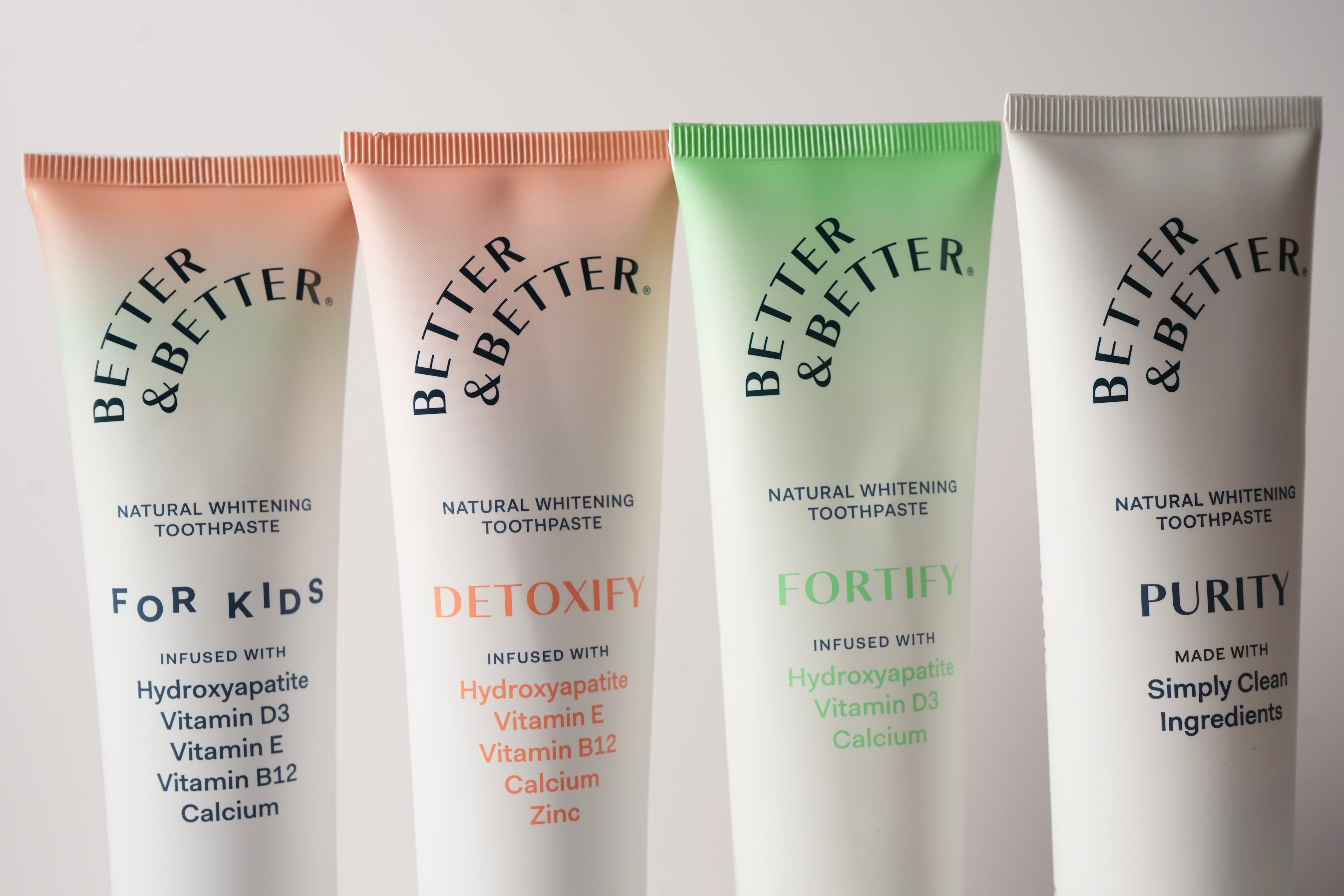
Certain toothpaste ingredients can provide additional benefits. Zinc, for example, can help control compounds associated with bad breath and support plaque management. Our Better & Better Detoxify Toothpaste contains zinc, making it a useful addition to a daily routine focused on keeping breath fresh and the mouth clean.
3. Acid Reflux Can Put Your Enamel at Risk
One of the defining effects of GLP-1 medications is delayed gastric emptying. Because food moves through the stomach more slowly, some people experience nausea, bloating, vomiting, or acid reflux.
For your teeth, repeated exposure to stomach acid is the biggest concern.
Stomach acid is highly acidic and can gradually dissolve minerals from enamel. Over time, frequent exposure may contribute to sensitivity, discoloration, and dental erosion.
Unlike surface stains, enamel erosion cannot simply be polished away. Once significant enamel structure is lost, it doesn't grow back.
How to Protect Your Enamel
If you experience reflux or vomiting, rinse your mouth with plain water afterward to help clear the acid.
Avoid brushing immediately after an acid exposure. Waiting approximately 30 to 60 minutes gives saliva time to help restore a healthier oral environment before brushing.
If reflux becomes frequent, speak with your healthcare provider about managing the underlying symptoms.
4. Enamel Remineralization Becomes Especially Important
When teeth are repeatedly exposed to acid, maintaining the balance between demineralization and remineralization becomes increasingly important.
Demineralization occurs when acids dissolve minerals from the tooth surface. Remineralization is the natural process through which minerals are redeposited into early areas of enamel damage.
Saliva plays a central role, but toothpaste ingredients can also support this process.
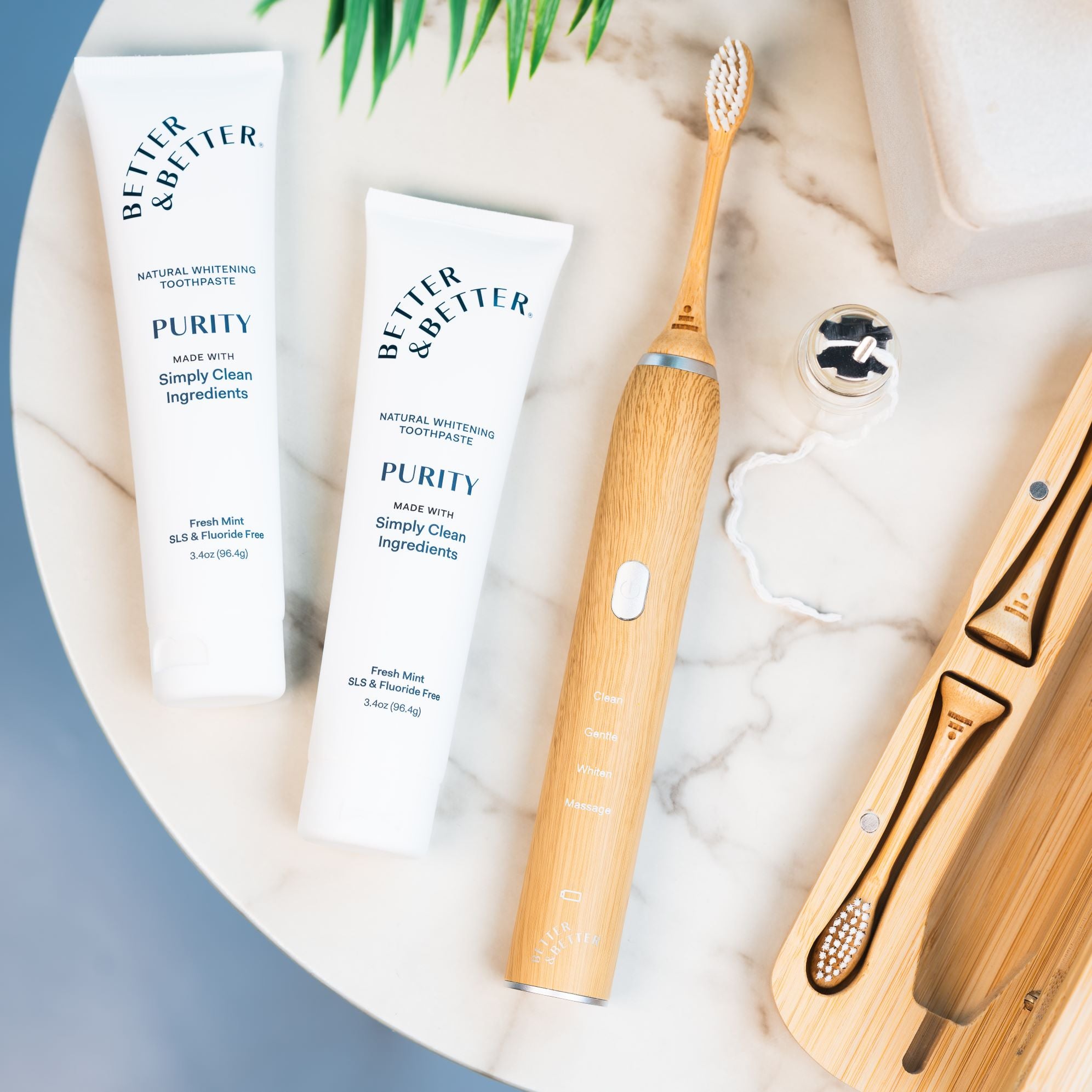
Hydroxyapatite is a calcium phosphate mineral that makes up most of tooth enamel. In toothpaste, hydroxyapatite particles can help replenish minerals at the surface and support the repair of early microscopic defects.
Vitamin D3 contributes to normal calcium and phosphate metabolism, which is important for maintaining healthy teeth and bones. Better & Better Fortify Toothpaste combines hydroxyapatite, calcium, and vitamin D3 in a daily oral-care formula designed to support enamel health.

Protecting Your Teeth While Taking GLP-1s
Taking a GLP-1 medication doesn't automatically mean you'll develop dental problems. Many people experience no noticeable changes to their oral health.
Still, dry mouth, reflux, and changes in eating habits are worth paying attention to, especially if they persist.
Stay hydrated, keep up with dental visits, and choose oral-care products that support saliva-friendly habits and enamel protection. If you're experiencing ongoing dry mouth or acid reflux, mention it to both your dentist and prescribing clinician.
Your medication may be changing how your body processes food. Your teeth deserve a little consideration in the process, too.