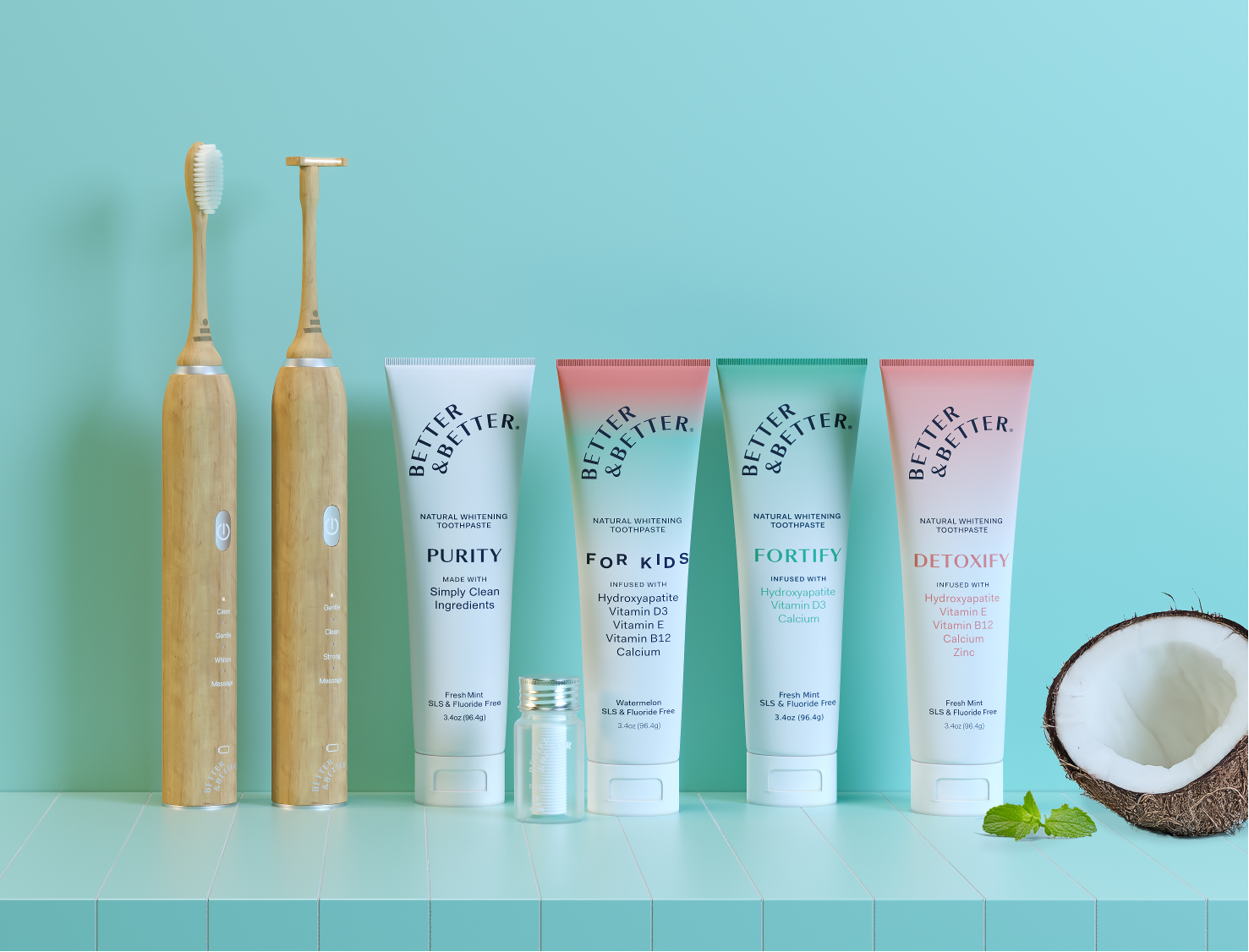
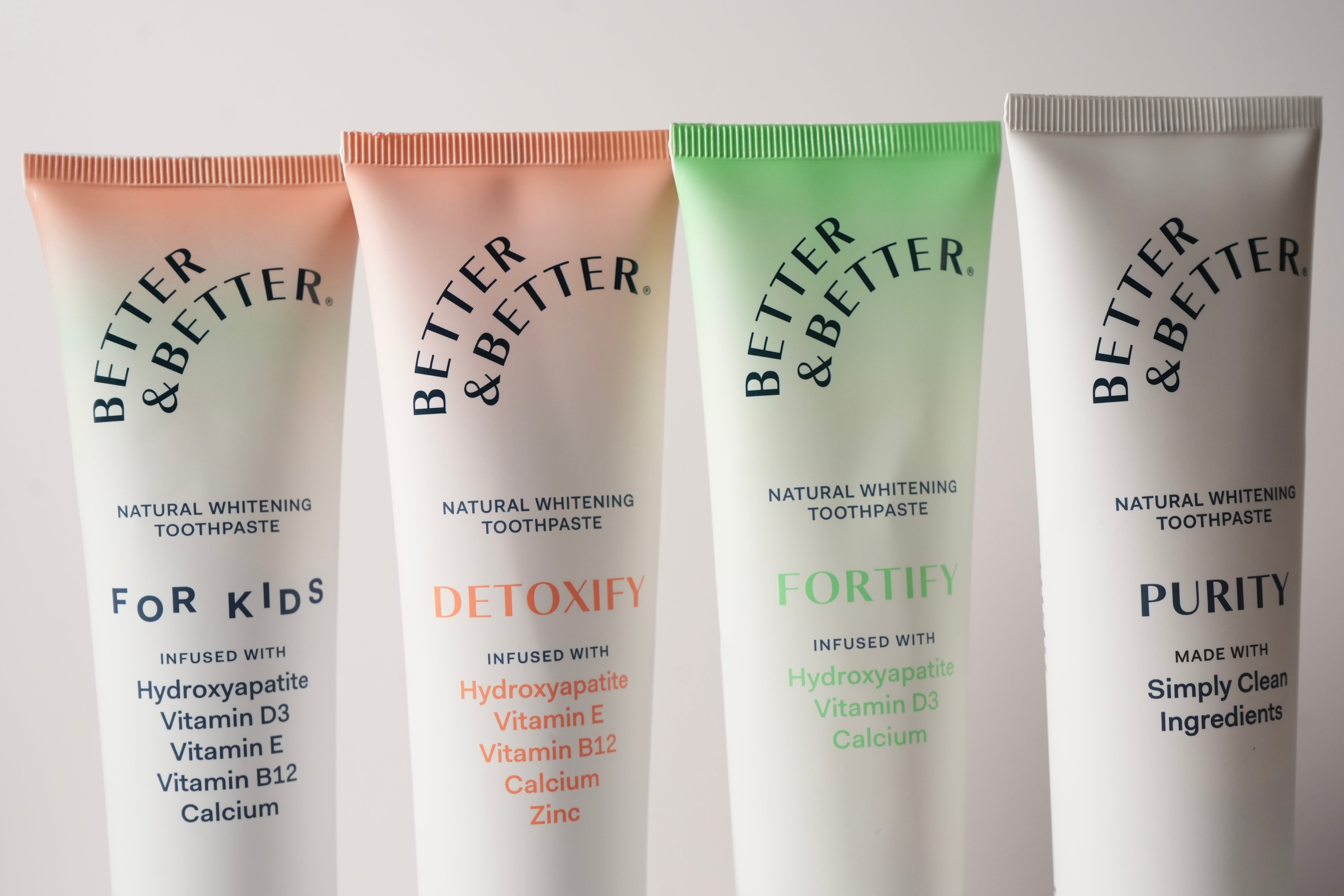
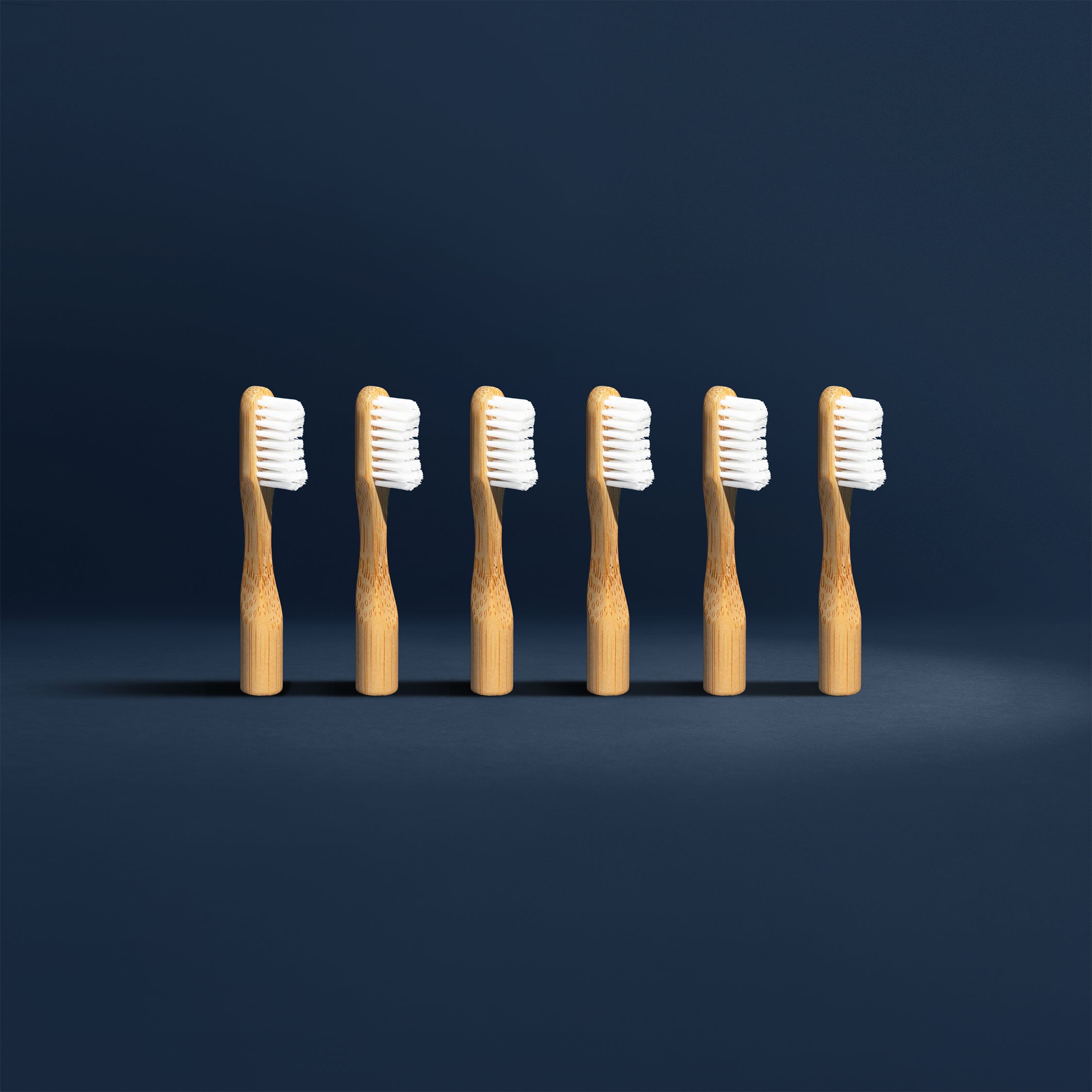
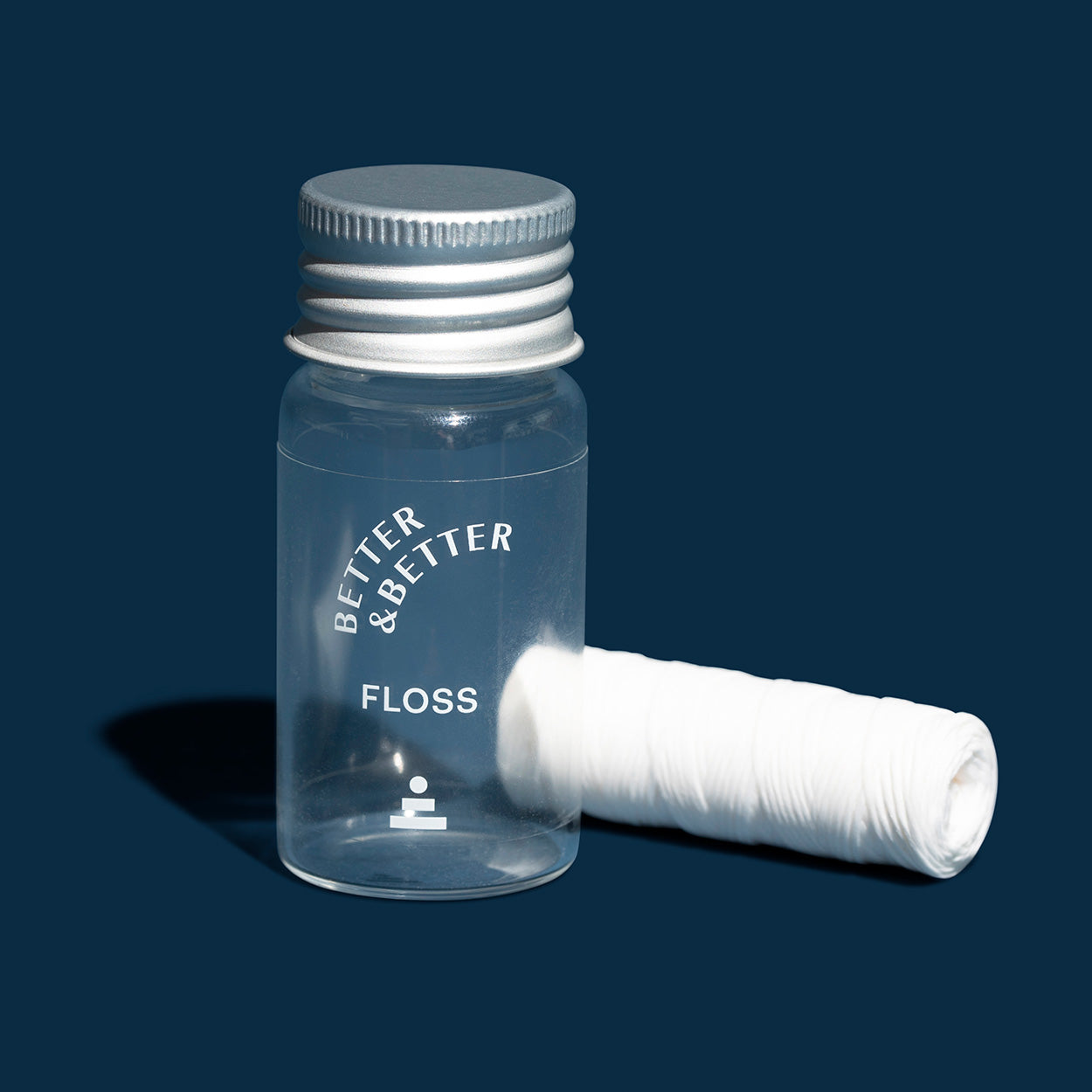
STEP UP YOUR ROUTINE WITH A BRUSH BETTER SET


Kids Bamboo Sonic Bundle
Regular price
$119.99
Sale price
$119.99
Regular price
$175.99
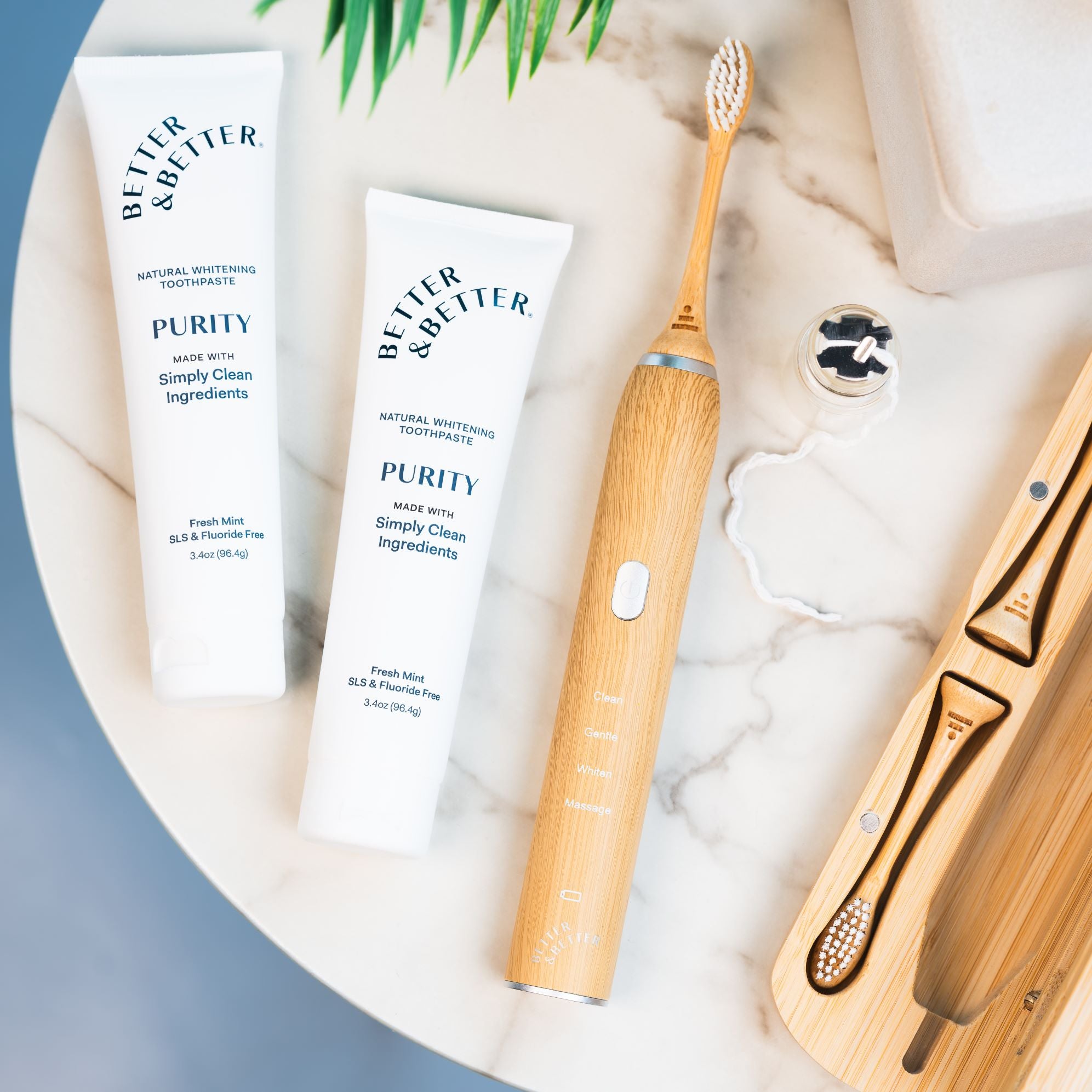
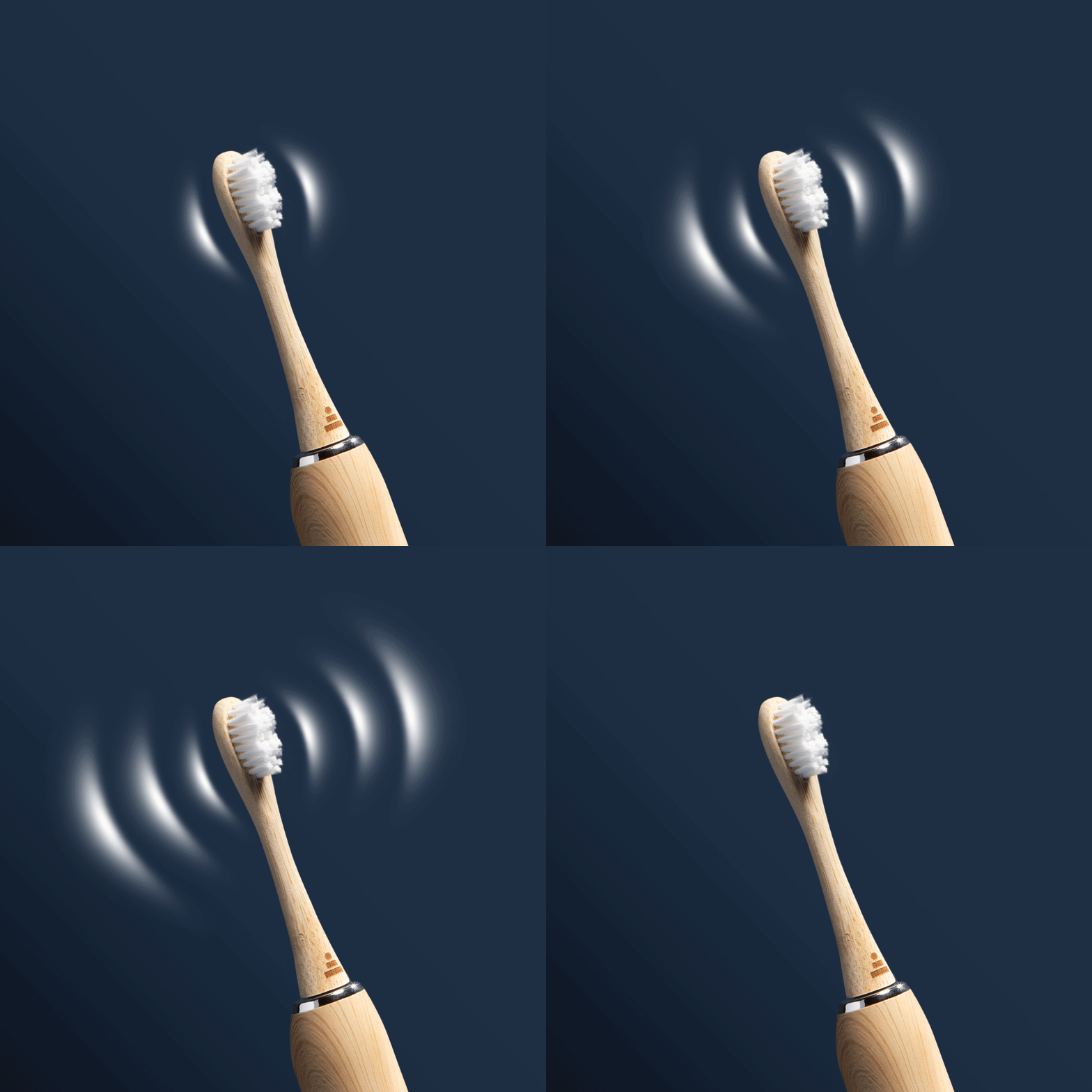
Bamboo Sonic & Purity Toothpaste Set
Regular price
$109.99
Sale price
$109.99
Regular price
$138.95
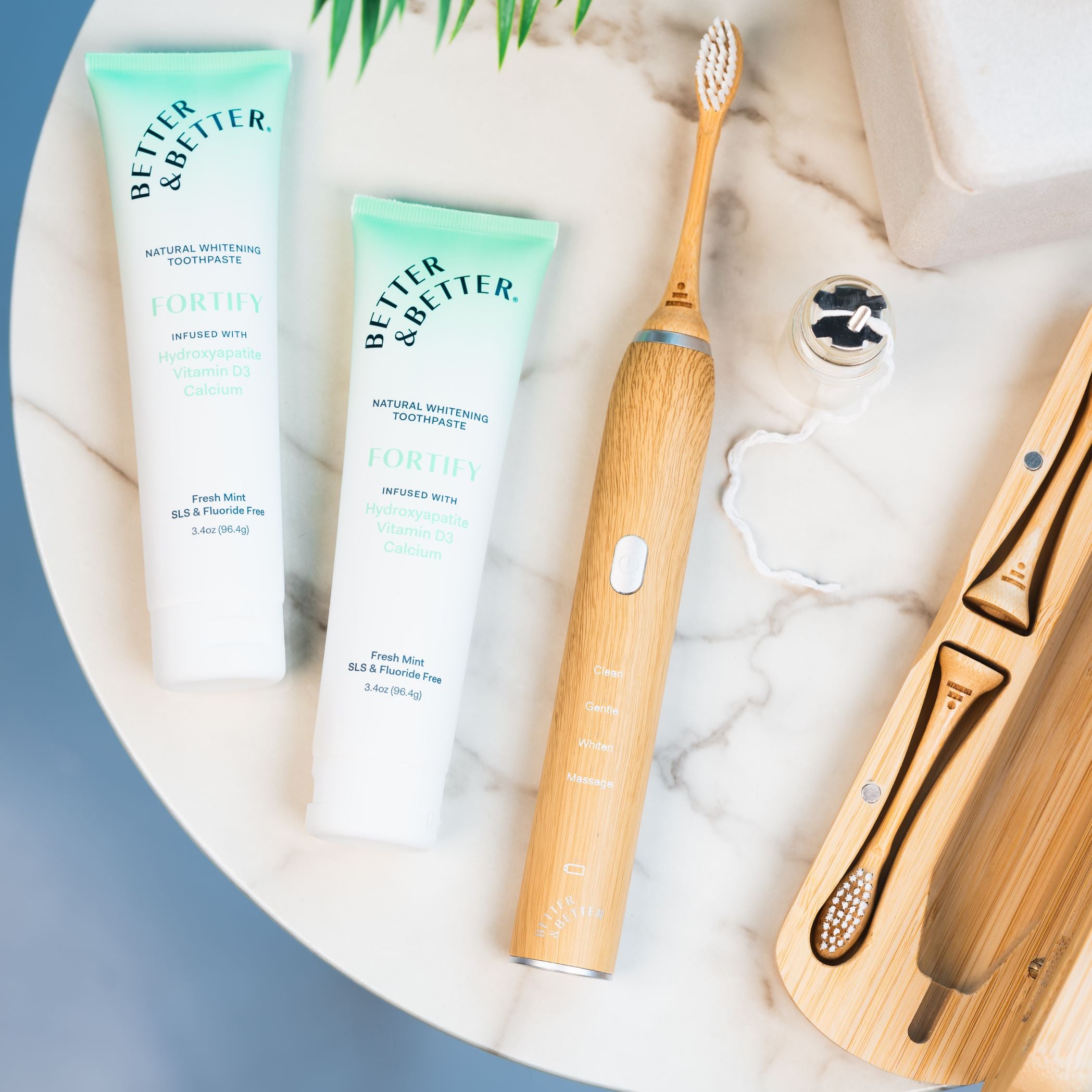

Bamboo Sonic & Fortify Vitamin D Toothpaste Set
Regular price
$119.99
Sale price
$119.99
Regular price
$148.99
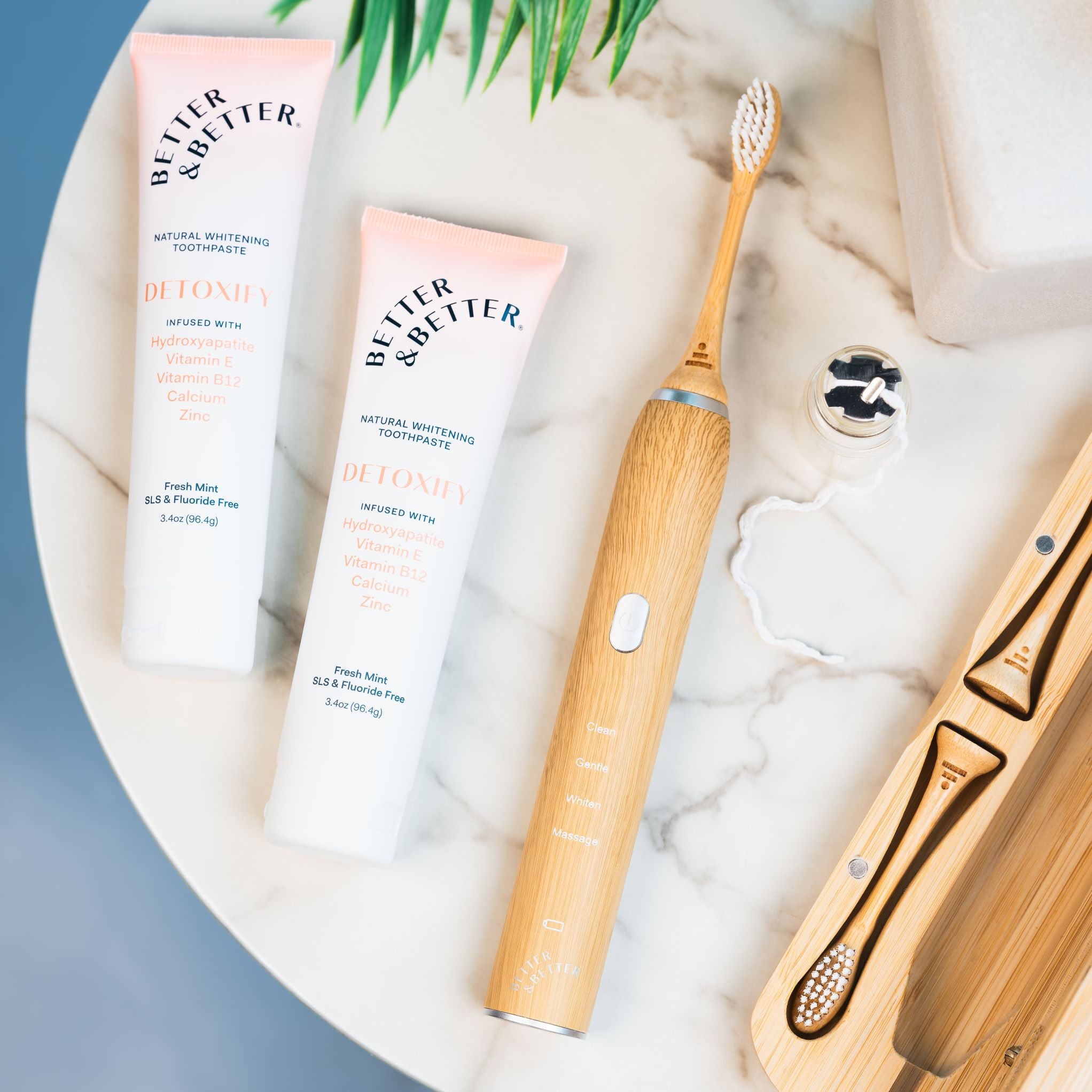
Bamboo Sonic & Detoxify Zinc Toothpaste Set
Regular price
$119.99
Sale price
$119.99
Regular price
$148.99
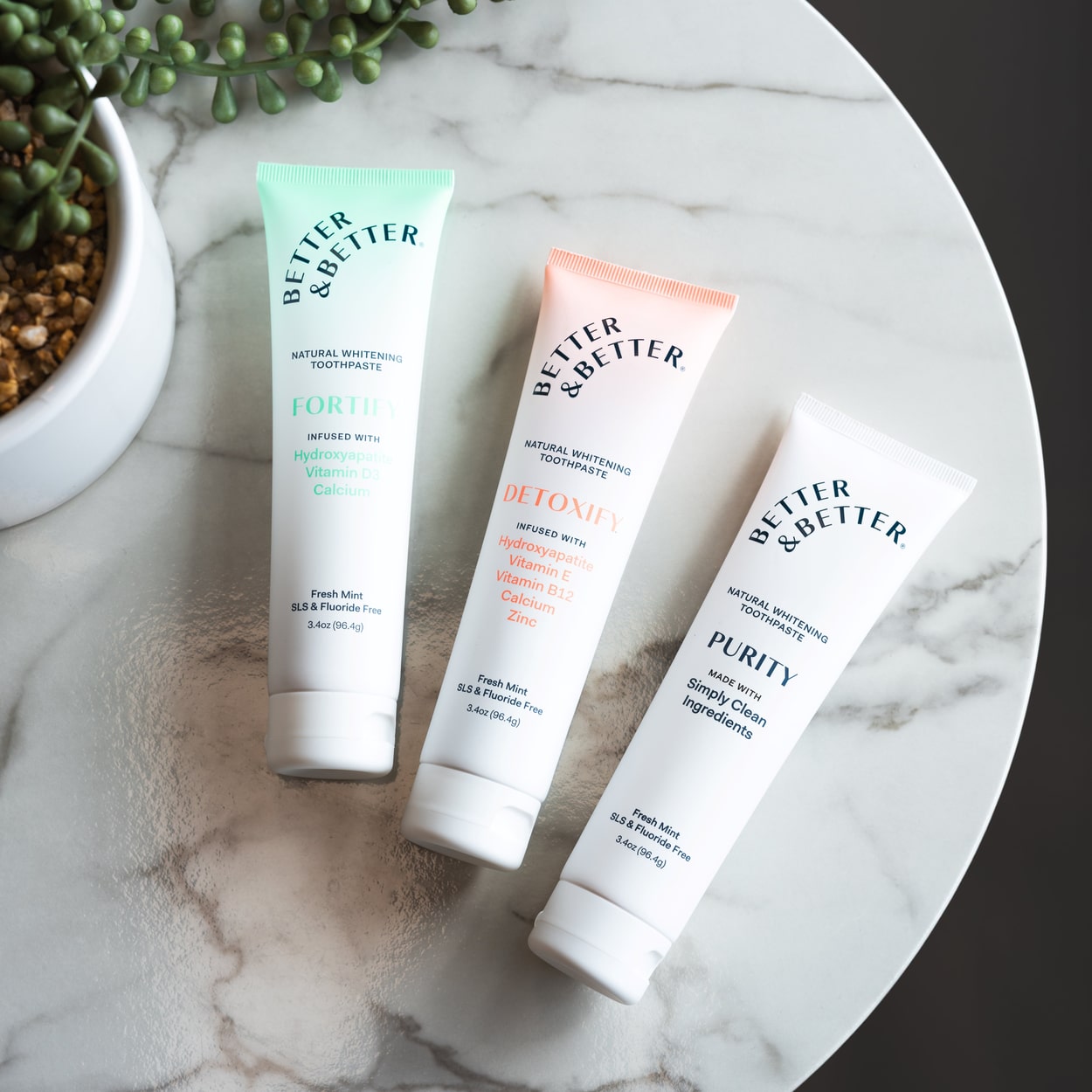

Toothpaste Sampler Set
Regular price
$44.99
Sale price
$44.99
Regular price
$50.99
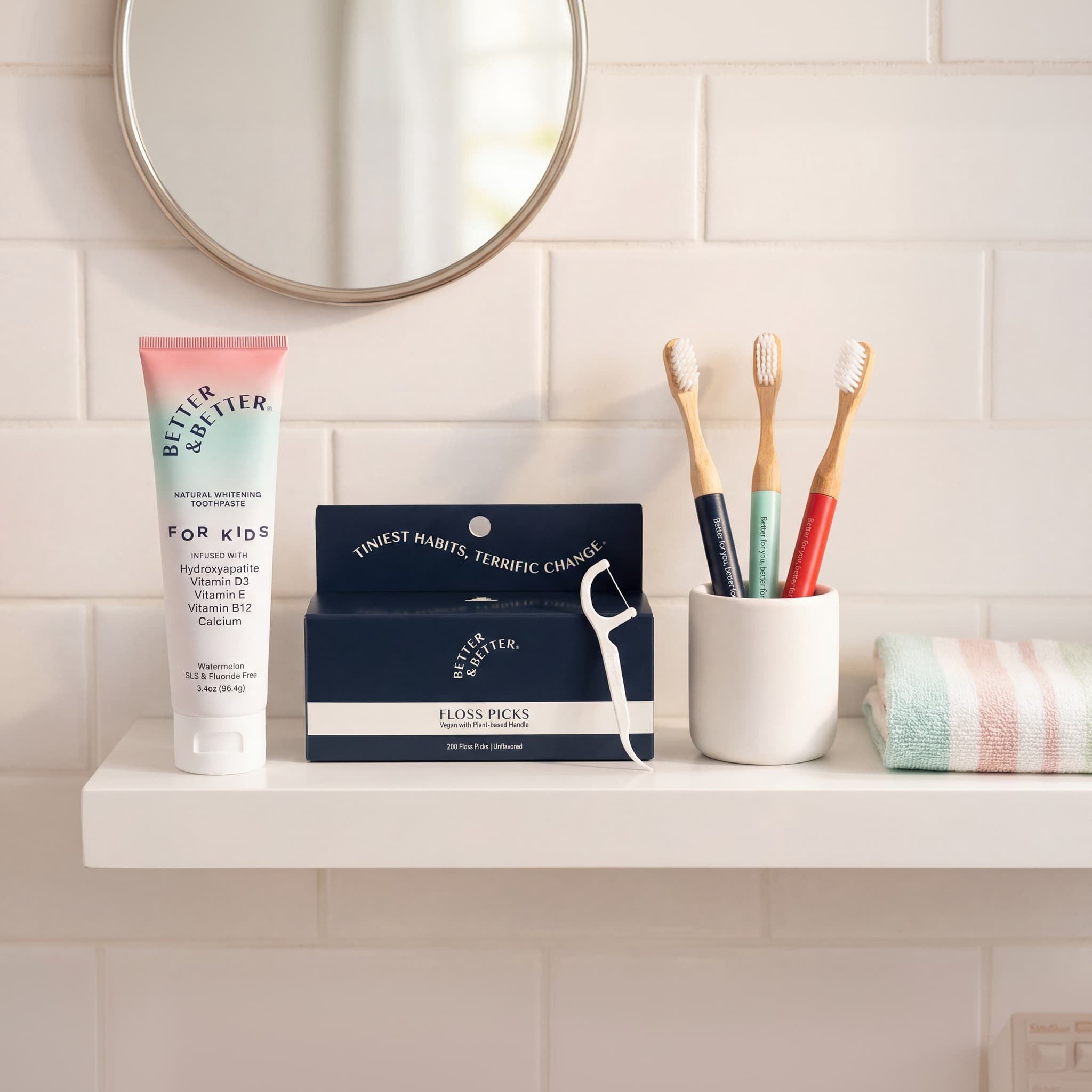

Kids Starter Set
Regular price
$49.00
Sale price
$49.00
Regular price
$63.00


Adult Starter Set - Detoxify
Regular price
$49.99
Sale price
$49.99
Regular price
$62.95


Purity Toothpaste 3-Pack
Regular price
$39.99
Sale price
$39.99
Regular price
$44.97
FURTHER READING

The Rise of "Longevity Dentistry": Why Biohackers Are Turning Their Attention to Their Mouths
Modern wellness enthusiasts know almost too much about themselves. They track their sleep stages and resting heart rate. They know whether their glucose spikes more after oatmeal than sourdough. They can tell you their VO2 max and biological age before you've finished your coffee. The global longevity industry is expected to reach a staggering $8 trillion annually by 2030. Most of that energy has focused on movement, nutrition, recovery, and metabolic health. Meanwhile, plenty of people still treat oral care as an afterthought: brush, floss, and hope the dentist doesn't discover anything expensive. That disconnect is starting to disappear. Health-conscious consumers are treating oral health as a longevity issue rather than a cosmetic one. Dentistry is shifting from fixing problems after they occur to identifying risks earlier, preserving what's already there, and recognizing that the mouth isn't separate from the rest of the body. In other words, biohackers have moved on to their mouths. How Oral Health Became Part of the Longevity Equation At first glance, the longevity movement appears to be about living longer. But ask the devotees and they’ll tell you it’s really about extending healthspan—the number of years you spend functioning well. Strong muscles matter. Cognitive health matters. Sleep matters. Healthy teeth and gums belong on that list, too. After all, preserving your ability to comfortably eat nutritious foods, avoid chronic pain, and maintain your natural teeth well into older age has obvious implications for quality of life. The assumption that dental decline is just part of aging increasingly feels outdated. The question has shifted from, "How do I fix this?" to "How do I prevent it from happening in the first place?" How People Are Biohacking Their Mouths The phrase "biohacking your mouth" might sound absurd until you realize many of these practices have already gone mainstream. People are paying closer attention to bleeding gums and recession, treating them less like annoyances and more like signals worth investigating. They're thinking differently about enamel, too. Years of whitening culture encouraged people to pursue brightness at any cost. Longevity-minded consumers increasingly view enamel as a finite resource worth preserving for decades to come. Then there’s sleep. Dentists are having more conversations around mouth breathing, teeth grinding, snoring, and airway health because oral structures can offer clues about what happens long after someone falls asleep. Even dry mouth has become part of the equation. Saliva helps neutralize acids and support the natural remineralization process, yet medications, stress, dehydration, nicotine products, and caffeine can all interfere with that protective function. Preventative Dentistry Is Replacing Repair Traditional dentistry operated on a repair model: Find the cavity, fill the cavity. But preventative medicine has transformed nearly every other corner of healthcare. We monitor cholesterol before heart attacks happen. We strength train to prevent frailty decades down the line. Dentistry appears to be heading in a similar direction. Direct-to-consumer saliva testing companies are emerging. AI-assisted imaging promises earlier detection. Some dental practices now incorporate conversations around inflammation, sleep, nutrition, and airway health into routine care. If the past was about chasing perfection, the future is finding small problems before they become larger, more expensive ones. How Hydroxyapatite Fits Into the Longevity Equation Few ingredients capture this shift better than hydroxyapatite. The name sounds futuristic, but the substance itself is familiar: hydroxyapatite is a naturally occurring mineral composed of calcium and phosphorus, and it makes up the majority of your enamel and dentin. Your teeth already know what to do with it. As enamel loses minerals through everyday acid exposure, hydroxyapatite supports the natural remineralization process by helping replenish what's been lost. That restorative approach aligns neatly with the broader philosophy driving longevity culture. People still want brighter smiles, of course. But increasingly, they also want stronger enamel and less sensitivity. That's part of why hydroxyapatite toothpaste has moved beyond niche wellness circles and into mainstream oral-care conversations. Better & Better's fluoride-free toothpaste formulas use hydroxyapatite to support enamel while remaining gentle enough for everyday use. Fortify goes a step further, combining hydroxyapatite with vitamin D3 and calcium for people looking to reinforce enamel as part of a long-term oral-health strategy. Oral Care's Longevity Era Has Arrived Longevity culture has a tendency to chase the exotic. Open Instagram and you’ll see cryotherapy chambers, thousand-dollar supplements, and red-light masks that make everyone look like they're preparing for intergalactic travel. Meanwhile, some of the most meaningful health investments remain stubbornly ordinary. Instead of turning your bathroom into a biohacking lab, longevity dentistry is about recognizing that the products you use twice a day can either support your mouth for the long haul or simply clean it in the moment. At Better & Better, that means prioritizing enamel support, gentler ingredients, and prevention-first routines designed to help you keep your teeth healthy for decades to come.
Learn more
Has the Teeth Whitening Craze Gone Too Far?
Spend time on TikTok or Instagram and you’ll find someone documenting their quest for impossibly white teeth. That could involve anything from glowing LED mouthpieces to DIY hacks with charcoal and hydrogen peroxide. Influencers rank whitening kits the way wine critics rank vintages while cosmetic dentists share dramatic before-and-afters that rack up millions of views. These all fuel the global teeth whitening market, which is projected to reach $10.6 billion by 2030. The desire for white teeth has been around for decades, but the expectations are higher than ever. As the bar for a "perfect" smile rises, so do concerns about sensitivity and long-term oral health. That growing fatigue may explain why a different approach is starting to gain traction: one that prioritizes healthier enamel, gradual brightening, and natural whitening toothpaste over dramatic transformations. How Teeth Whitening Became a Billion-Dollar Industry Whitening used to be something people did before a wedding or major life event. Today, it's treated as routine maintenance. Social media played a big role. We're constantly looking at ourselves on video calls and front-facing cameras. Celebrity smiles have become more visible than ever. Cosmetic procedures that once felt aspirational now appear attainable. The whitening category evolved to meet that demand. Whitening strips moved from novelty to drugstore staple. LED kits transformed bathroom counters into mini dental clinics. Boutique whitening studios opened in shopping centers. Much like skincare, oral care became less about solving problems and more about optimization. How White Should Your Teeth Actually Be? There’s an uncomfortable truth that teeth whitening advertisements ignore: Our teeth aren’t naturally bright white. Healthy teeth vary in color depending on genetics, age, enamel thickness, and the shade of dentin underneath. Most fall somewhere along an ivory spectrum. Ultra-white veneers, filters, and heavily edited photos have shifted expectations of what healthy teeth should look like. A smile that would have been considered beautiful twenty years ago can feel inadequate when compared against an algorithmically curated feed. The irony is that many people pursuing ever-whiter teeth already have perfectly healthy smiles. The Dark Side of Teeth Whitening Most whitening products are considered safe when used as directed. The problems tend to happen when people decide that if a little whitening works, more must work better. "It's very common to experience temporary sensitivity in your teeth or irritation to the gums after you start using a whitening product," explains Dr. Anne Clemons, DMD. Sensitivity is one of the most common complaints. Peroxide-based products penetrate the tooth surface to break apart stains, but they can also aggravate the nerves inside the tooth. For people who already deal with sensitivity, the discomfort can be hard to ignore. Gum irritation is another concern. Whitening agents that come into contact with soft tissue can cause redness and inflammation, especially when trays don't fit properly or treatments are overused. Then there's enamel. Some whitening formulas rely on abrasive ingredients to physically polish stains away. These products can be effective. But excessive use, combined with DIY whitening trends involving lemon juice or charcoal, can contribute to unnecessary wear. This creates a strange paradox: Chasing a healthier-looking smile in ways that can leave teeth feeling worse. The Turn to Natural Teeth Whitening Beauty trends have a tendency to swing between extremes. Skincare moved away from over-exfoliation and toward barrier repair. Fitness shifted from punishing cardio to strength and recovery. Nutrition grew skeptical of crash diets and miracle cleanses. Oral care appears to be experiencing a similar correction. Most people still want brighter teeth. But they also want stronger enamel and ingredients they feel comfortable using every day. That’s where natural whitening fits into the picture. Instead of dramatic overnight transformations, the appeal lies in gradual brightening that works with the mouth rather than against it: lifting surface stains, supporting a healthier oral environment, and avoiding sensitivity. For many people, that approach feels more sustainable. A Better Way to Brighten Your Smile At Better & Better, we believe brighter teeth should be the byproduct of healthy daily habits. That's why we chose toothpaste ingredients that help gently polish away surface stains while supporting the overall health of your mouth: Baking Soda: Helps lift surface stains and neutralize acids in the mouth without relying on peroxide. Organic Coconut Oil & Coconut Powder: Natural coconut ingredients long used in Ayurvedic oral care that provide gentle polishing and may help combat the bacteria associated with bad breath, plaque buildup, and inflammation. Rice Powder: A mild abrasive that helps scrub away stains and buildup without being overly harsh on enamel. Sodium Chloride: An enduring mineral that helps cleanse and gently polish the surface of teeth. Calcium Carbonate: A USDA-approved polishing ingredient that helps remove plaque and surface stains while remaining easy on enamel. Whitening doesn't have to be an all-or-nothing proposition. Sometimes, the healthiest approach is also the most sustainable: supporting your teeth twice a day rather than trying to overhaul them overnight. The Brightest Smile Isn’t Always the Best Smile A brighter smile will probably always be desirable. But the future of oral care may look less extreme and more balanced: gradual improvements instead of dramatic interventions, stronger enamel instead of harsher formulas, and products designed to support the health of your teeth for decades rather than the next photo opportunity. Healthy teeth don't need to be blindingly white to look beautiful. More often, the best smiles simply look well cared for.
Learn more
The Problem With Candy-Flavored Kid's Toothpaste
For kids born after the 90s, oral hygiene became indistinguishable from visiting a concession stand. Bubble gum. Blue raspberry. Cotton candy. Toothpaste flavors started sounding less like hygiene products and more like guilty pleasures. Millions of parents accepted that tradeoff since brushing a kid’s teeth is rarely a glamorous negotiation. If a cartoon dinosaur holding a tube of neon frosting helped get the job done twice a day, fine. But the conversation around kids’ products has changed over the last decade. Artificial dyes, ultra-processed snacks, synthetic fragrances, and aggressively sweetened wellness products are under scrutiny. Now, toothpaste has entered that discussion. The Psychology of Candy-Flavored Toothpaste The flavor issue sounds superficial until you think about what brushing your teeth is supposed to teach. Oral care routines are about habit formation. You’re teaching children that brushing signals cleanliness, maintenance, and self-care. Hyper-sweet toothpaste can muddy that signal. The sensory experience starts resembling dessert rather than hygiene. This doesn’t mean kids need toothpaste that tastes medicinal. Nobody is advocating for a return to the brutal mint flavors that feel like mouthwash from the 80s. But there is a noticeable difference between a toothpaste that tastes pleasant and one engineered to mimic bubble gum. Kids are especially sensitive to flavor association because they’re still building relationships with routines, cravings, and reward systems. Pediatricians and behavioral researchers have spent years studying how repeated exposure to intensely sweet flavors can shape preference patterns over time. Toothpaste obviously exists outside traditional nutrition conversations, but it’s still in in a child’s sensory environment. If every product aimed at kids tastes like candy, eventually the line between hygiene, snacks, and treats starts to blur. When Brushing Starts Feeling Like a Treat This is partly why some parents describe brushing as becoming theatrical: kids want to eat the toothpaste and ask for more than necessary. Their routine becomes less about oral care and more about accessing something sweet. The broader kids’ consumer market has spent decades optimizing products around excitement: bright colors, loud packaging, artificial flavors that bear no resemblance to actual fruit. Toothpaste followed the same trajectory. Parents are becoming exhausted by products engineered to overstimulate children at every possible opportunity. Oral care occupies a different psychological category. Most people want it to feel calm, safe, and routine-oriented—something closer to skincare than entertainment. Artificial Flavors Usually Bring Other Ingredients With Them Artificial flavors also tend to come packaged with artificial dyes because the experience is engineered for maximum sensory recognition. If something tastes like “blue raspberry,” it usually also needs to look blue for the illusion to work. That pairing has become harder for many parents to ignore. Artificial dyes remain controversial, though research and regulation vary globally. Some studies have explored potential links between synthetic dyes and behavioral concerns in children, while consumer skepticism toward heavily dyed products has become far more mainstream. Europe regulates some dyes more aggressively than the United States, which has only fueled broader ingredient conversations online. Even parents outside wellness culture often feel fatigued by how overstimulating children’s products have become. Snacks glow neon colors. Vitamins resemble gummy bears. Toothpaste tastes like carnival concessions. Eventually, people start wondering whether every product aimed at kids needs to feel this exaggerated. “Kid-Friendly” Doesn’t Need to Mean Candy-Flavored Parents are becoming more ingredient-conscious about everything their kids use daily, including toothpaste. Artificial flavors, neon dyes, and overly sweet formulas that once felt normal now feel unnecessarily intense to a lot of families. Our Kids Multivitamin Toothpaste at Better & Better was designed with a gentler approach in mind. Instead of hyper-sweet bubble gum flavors, it uses naturally flavored watermelon with a touch of organic xylitol for subtle sweetness that feels kid-friendly without tasting like candy. The formula also avoids artificial flavors, colors, preservatives, and harsh abrasives while including hydroxyapatite, Vitamin D3, Vitamin E, Vitamin B12, and calcium to support enamel health. The goal is simple: make brushing feel clean, familiar, and easy to stick with—not like dessert disguised as oral care. Kids’ Toothpaste Is Finally Growing Up Most parents aren’t trying to turn their children into tiny wellness influencers with perfectly optimized supplement stacks. They’re trying to establish habits their kids won’t dread while avoiding products that feel artificial. That’s a reasonable standard for something kids use twice a day, every day, for years. A gentler flavor, a cleaner ingredient list, and a formula that supports enamel health without tasting like candy can make the entire routine feel calmer for everyone involved. That’s part of the thinking behind our Kids Multivitamin Toothpaste, which swaps hyper-sweet bubble gum flavors and artificial dyes for naturally flavored watermelon, organic xylitol, hydroxyapatite, and a simpler overall approach to kids’ oral care.
Learn more