Modern wellness enthusiasts know almost too much about themselves. They track their sleep stages and resting heart rate. They know whether their glucose spikes more after oatmeal than sourdough. They can tell you their VO2 max and biological age before you've finished your coffee.
The global longevity industry is expected to reach a staggering $8 trillion annually by 2030. Most of that energy has focused on movement, nutrition, recovery, and metabolic health. Meanwhile, plenty of people still treat oral care as an afterthought: brush, floss, and hope the dentist doesn't discover anything expensive.
That disconnect is starting to disappear. Health-conscious consumers are treating oral health as a longevity issue rather than a cosmetic one. Dentistry is shifting from fixing problems after they occur to identifying risks earlier, preserving what's already there, and recognizing that the mouth isn't separate from the rest of the body.
In other words, biohackers have moved on to their mouths.
How Oral Health Became Part of the Longevity Equation
At first glance, the longevity movement appears to be about living longer. But ask the devotees and they’ll tell you it’s really about extending healthspan—the number of years you spend functioning well.
Strong muscles matter. Cognitive health matters. Sleep matters. Healthy teeth and gums belong on that list, too.
After all, preserving your ability to comfortably eat nutritious foods, avoid chronic pain, and maintain your natural teeth well into older age has obvious implications for quality of life. The assumption that dental decline is just part of aging increasingly feels outdated.
The question has shifted from, "How do I fix this?" to "How do I prevent it from happening in the first place?"
How People Are Biohacking Their Mouths
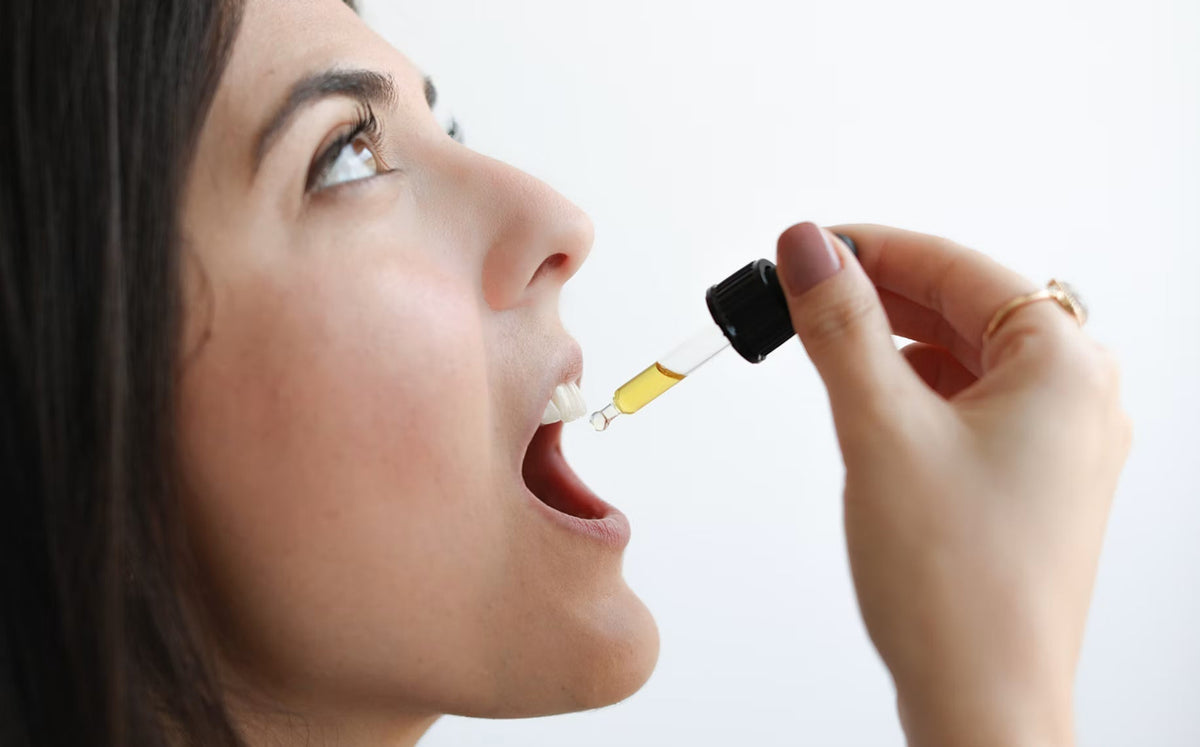
The phrase "biohacking your mouth" might sound absurd until you realize many of these practices have already gone mainstream.
People are paying closer attention to bleeding gums and recession, treating them less like annoyances and more like signals worth investigating.
They're thinking differently about enamel, too. Years of whitening culture encouraged people to pursue brightness at any cost. Longevity-minded consumers increasingly view enamel as a finite resource worth preserving for decades to come.
Then there’s sleep. Dentists are having more conversations around mouth breathing, teeth grinding, snoring, and airway health because oral structures can offer clues about what happens long after someone falls asleep.
Even dry mouth has become part of the equation. Saliva helps neutralize acids and support the natural remineralization process, yet medications, stress, dehydration, nicotine products, and caffeine can all interfere with that protective function.
Preventative Dentistry Is Replacing Repair
Traditional dentistry operated on a repair model: Find the cavity, fill the cavity.
But preventative medicine has transformed nearly every other corner of healthcare. We monitor cholesterol before heart attacks happen. We strength train to prevent frailty decades down the line. Dentistry appears to be heading in a similar direction.
Direct-to-consumer saliva testing companies are emerging. AI-assisted imaging promises earlier detection. Some dental practices now incorporate conversations around inflammation, sleep, nutrition, and airway health into routine care.
If the past was about chasing perfection, the future is finding small problems before they become larger, more expensive ones.
How Hydroxyapatite Fits Into the Longevity Equation
Few ingredients capture this shift better than hydroxyapatite. The name sounds futuristic, but the substance itself is familiar: hydroxyapatite is a naturally occurring mineral composed of calcium and phosphorus, and it makes up the majority of your enamel and dentin.
Your teeth already know what to do with it.
 As enamel loses minerals through everyday acid exposure, hydroxyapatite supports the natural remineralization process by helping replenish what's been lost. That restorative approach aligns neatly with the broader philosophy driving longevity culture.
People still want brighter smiles, of course. But increasingly, they also want stronger enamel and less sensitivity.
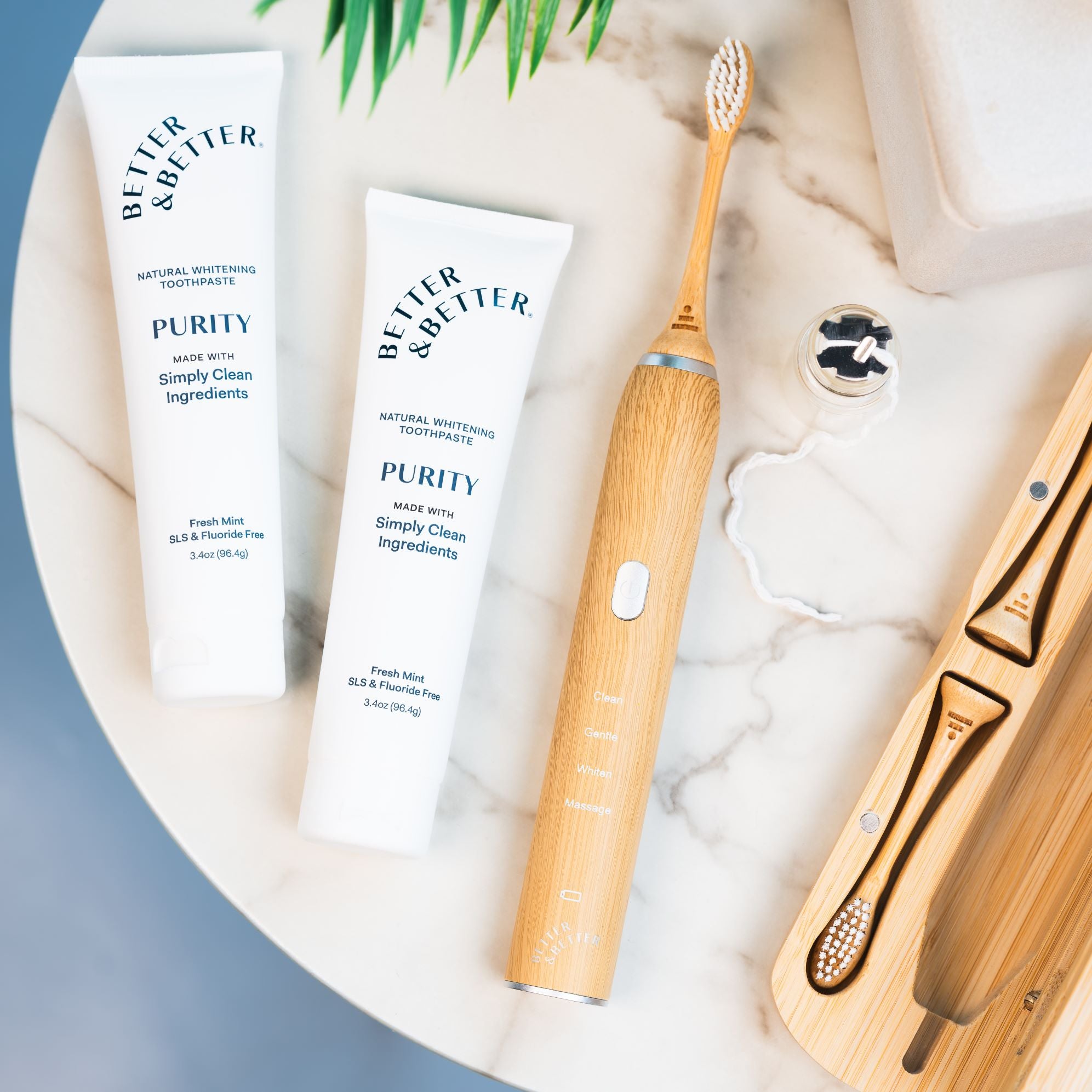
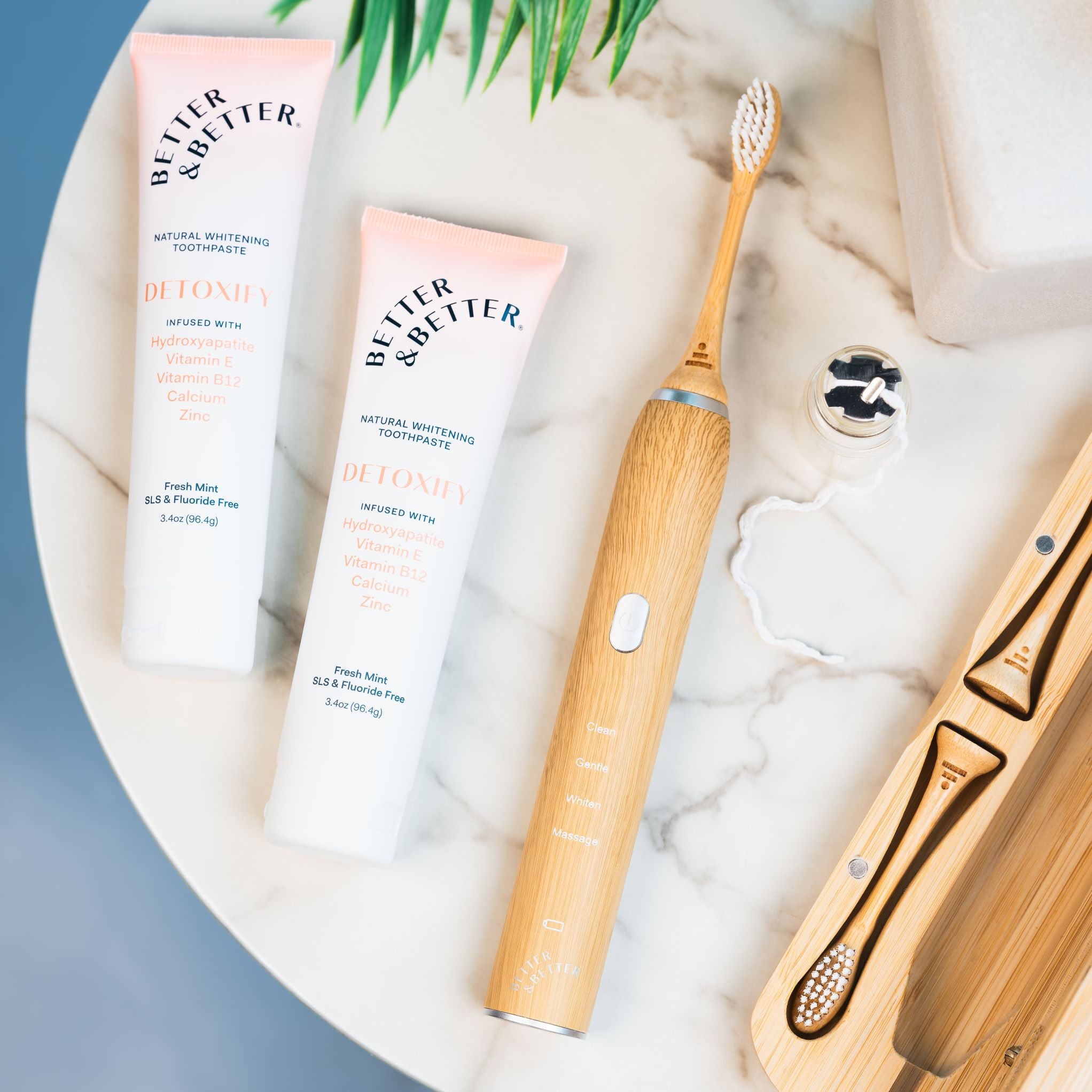
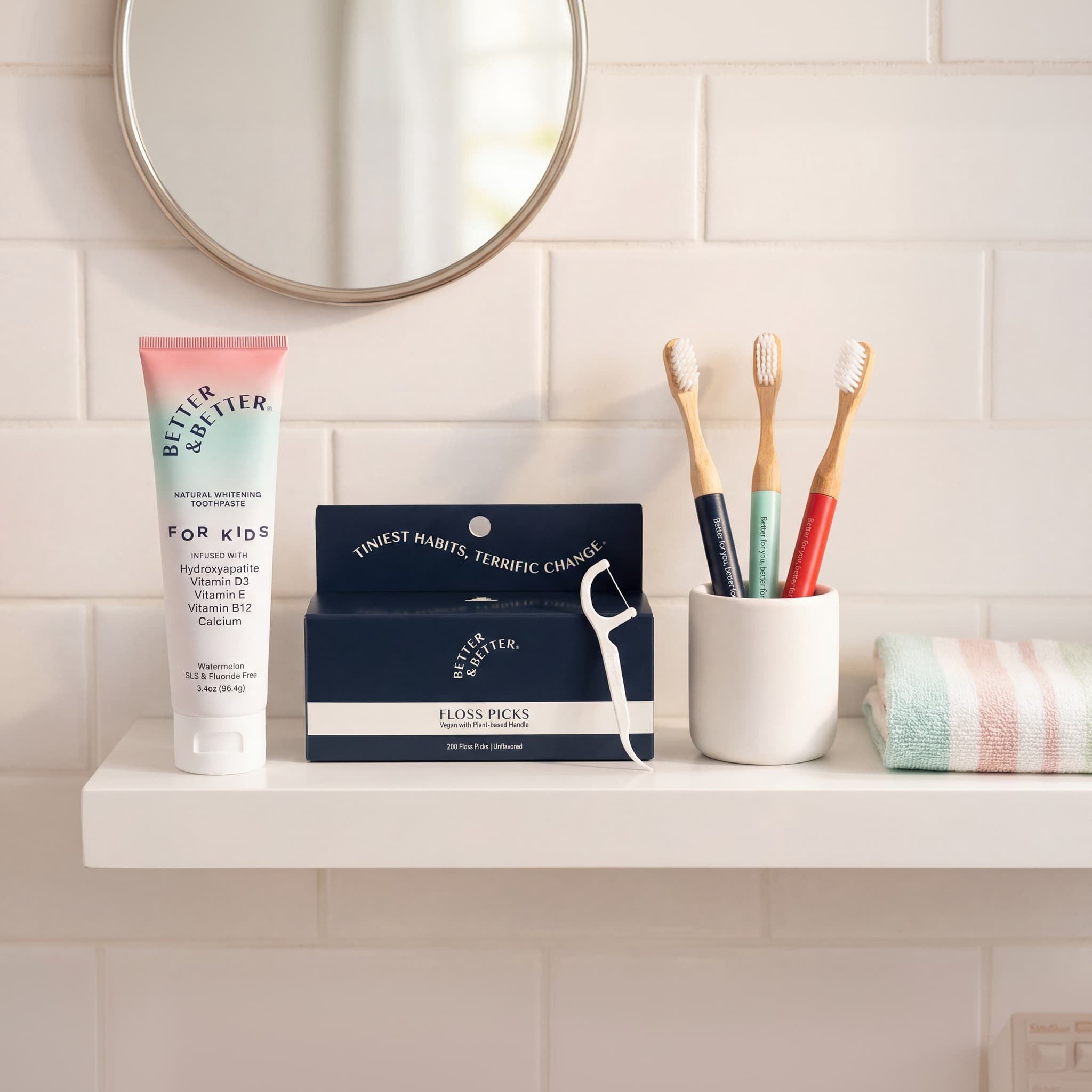
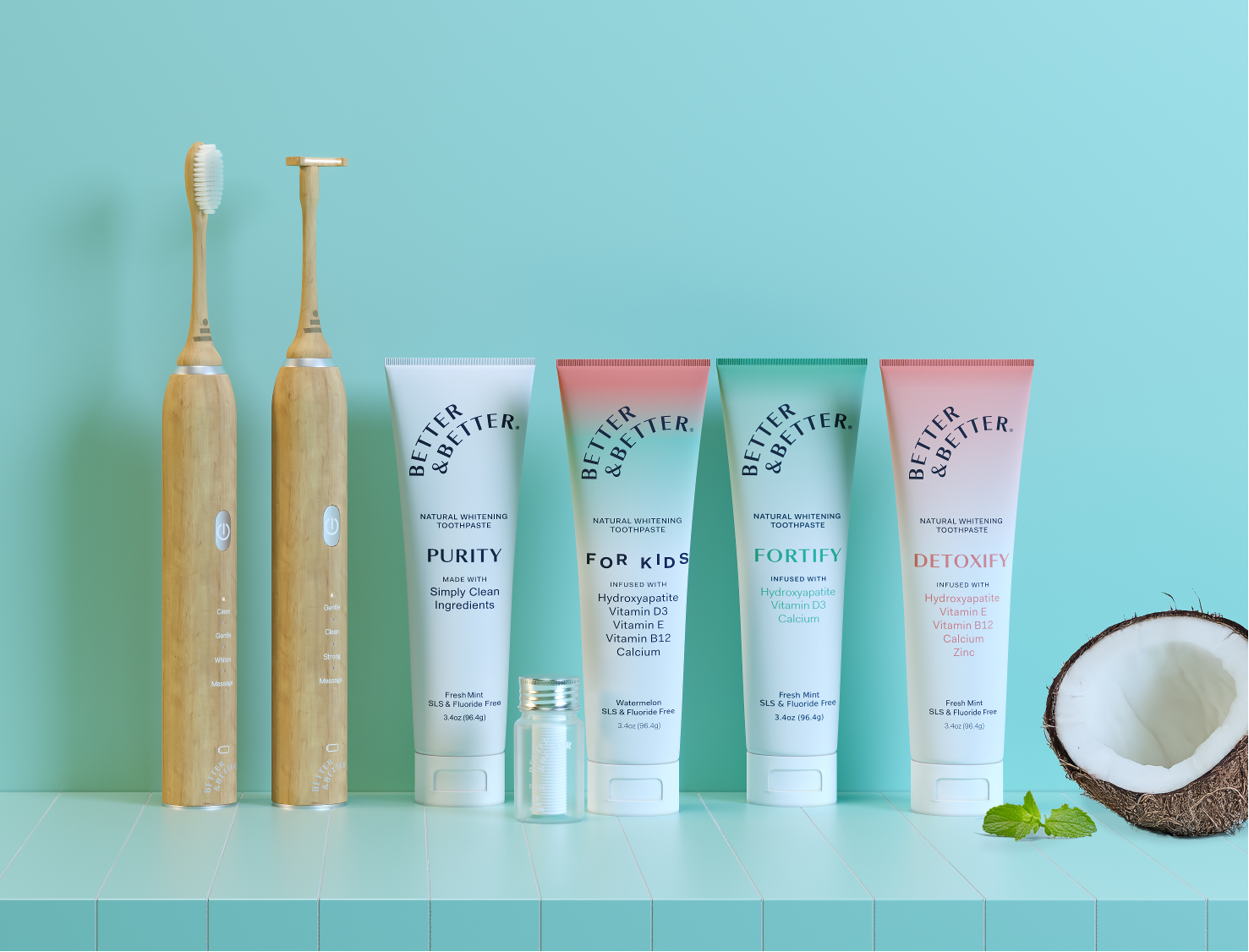
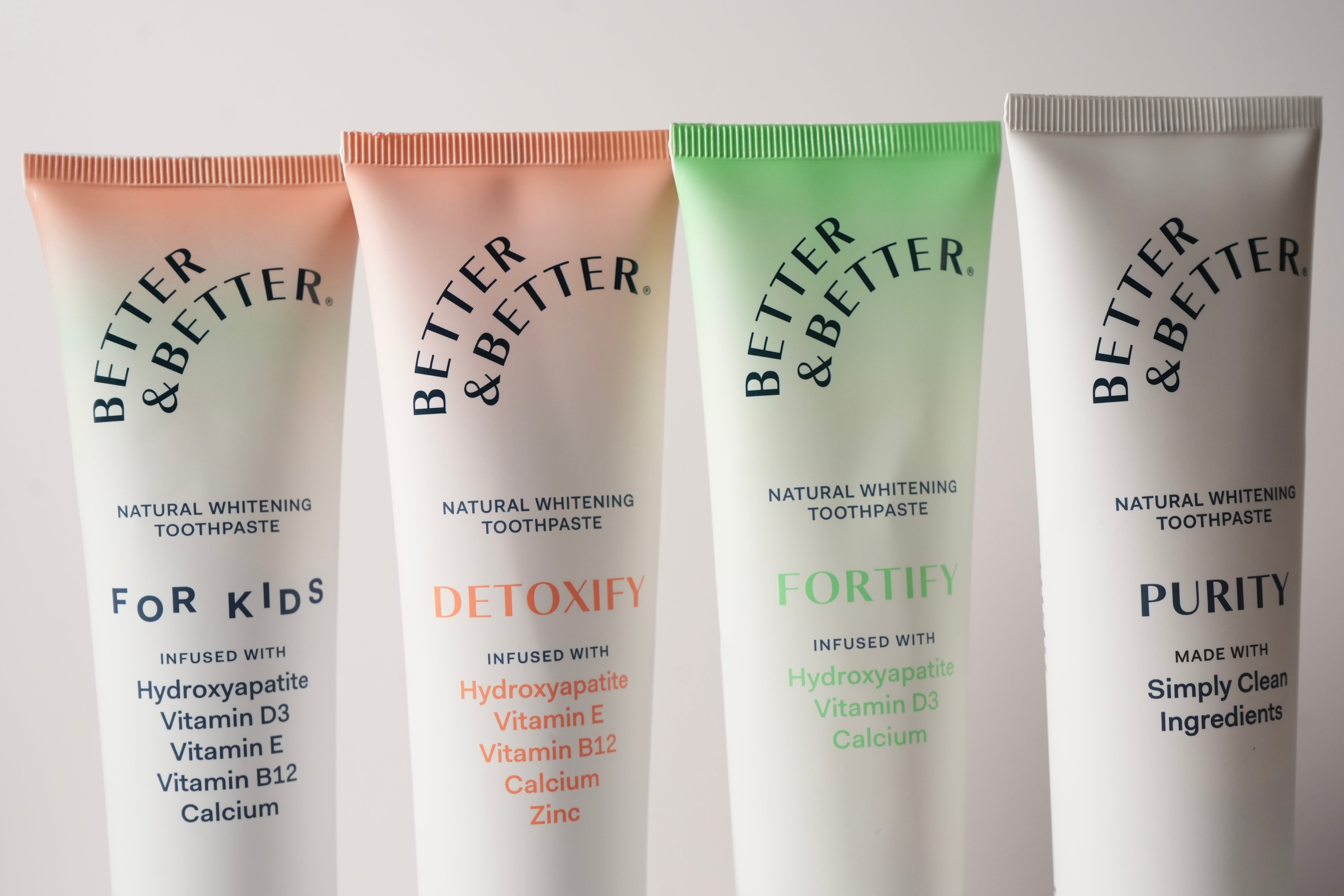
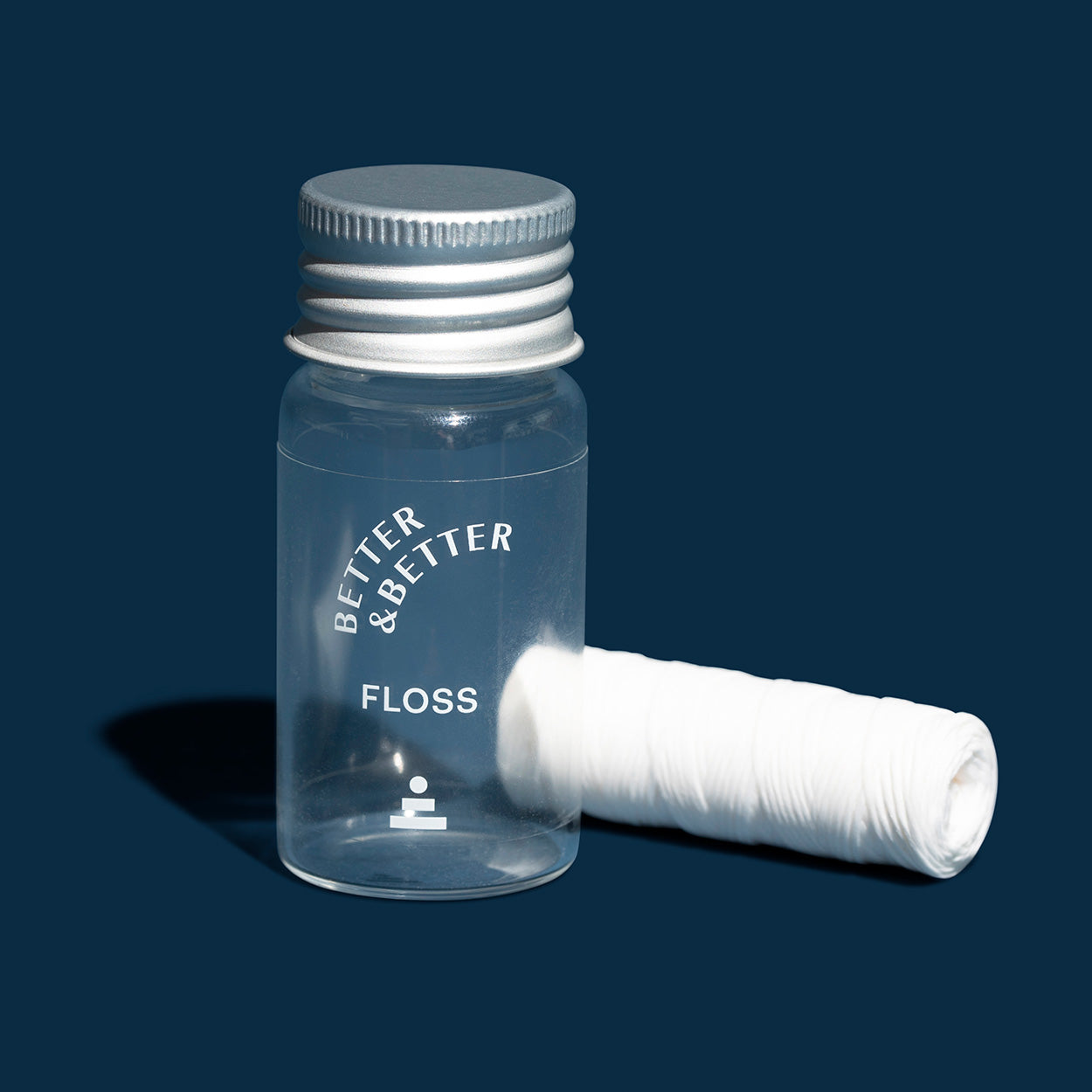
That's part of why hydroxyapatite toothpaste has moved beyond niche wellness circles and into mainstream oral-care conversations. Better & Better's fluoride-free toothpaste formulas use hydroxyapatite to support enamel while remaining gentle enough for everyday use.
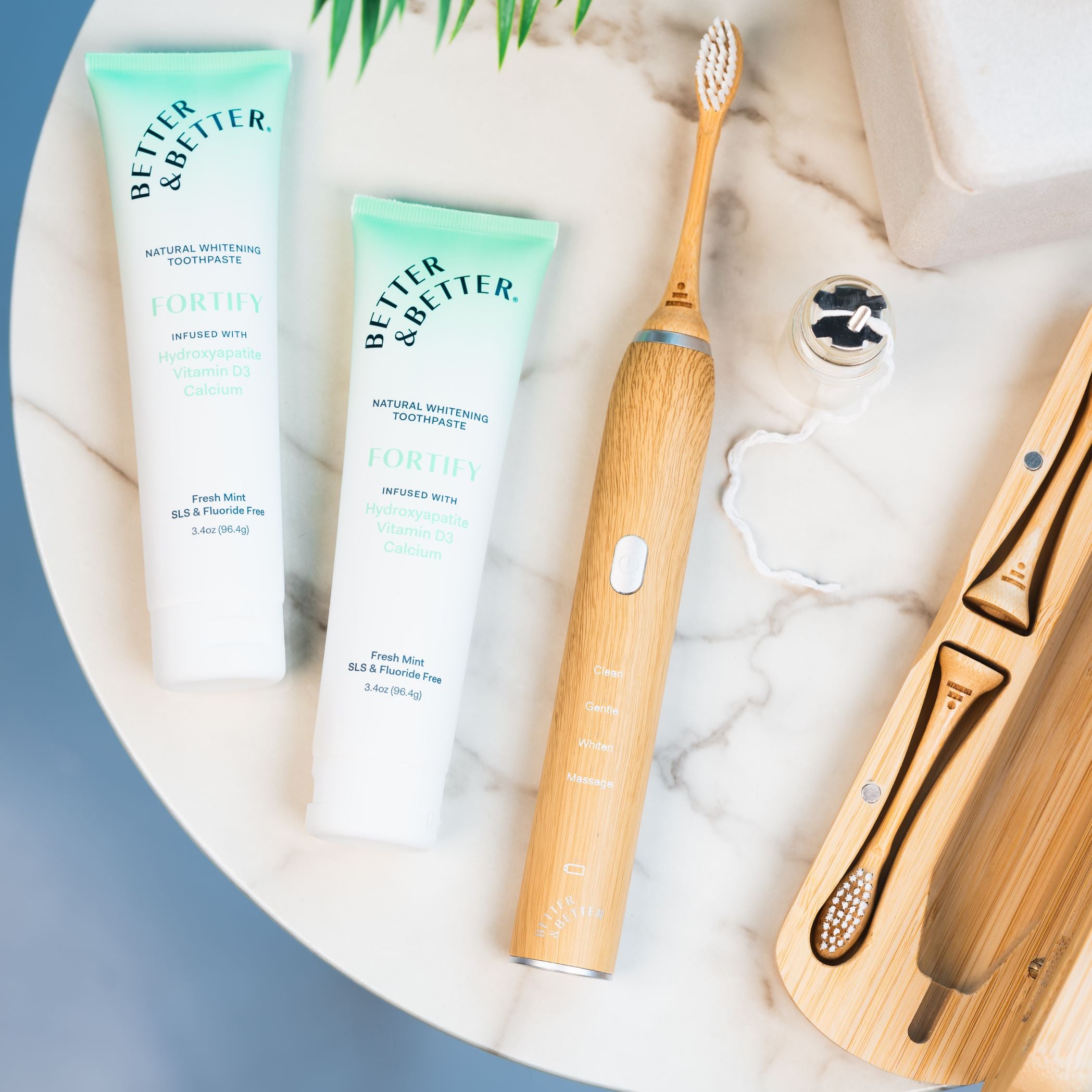
Fortify goes a step further, combining hydroxyapatite with vitamin D3 and calcium for people looking to reinforce enamel as part of a long-term oral-health strategy.
Oral Care's Longevity Era Has Arrived
Longevity culture has a tendency to chase the exotic. Open Instagram and you’ll see cryotherapy chambers, thousand-dollar supplements, and red-light masks that make everyone look like they're preparing for intergalactic travel. Meanwhile, some of the most meaningful health investments remain stubbornly ordinary.
Instead of turning your bathroom into a biohacking lab, longevity dentistry is about recognizing that the products you use twice a day can either support your mouth for the long haul or simply clean it in the moment.
At Better & Better, that means prioritizing enamel support, gentler ingredients, and prevention-first routines designed to help you keep your teeth healthy for decades to come.